

CommBank grants up to AUD $200,000 to support First Nations wellbeing
Thu, 24th Jul 2025
CommBank has announced its Next Chapter Innovation partners for 2025 as part of continued efforts to address financial abuse in First Nations communities, alongside the release of its FY26-28 Elevate Reconciliation Action Plan (RAP).
Initiatives for First Nations communities
The Next Chapter Innovation program, now in its third year, provides support to community-driven initiatives that aim to mitigate the impact of financial abuse within First Nations populations. Two First Nations-led organisations, Mudgin-gal Aboriginal Corporation in New South Wales and Mookai Rosie-Bi-Bayan in Queensland, will receive grants of up to AUD $200,000, as well as non-financial assistance, including executive mentoring and capability building, from CommBank.
The Indigenous Consumer Assistance Network (ICAN) has recently provided research indicating that financial abuse uniquely affects First Nations peoples, particularly through financial control in relationships and exploitation of cultural obligations. According to the report, culturally safe and community-led interventions are crucial for addressing barriers to seeking support and for offering effective solutions.
The 2025 Next Chapter Innovation partners were selected based on nominations from CommBank's First Nations Employee Network, with a focus on organisations delivering community-based recovery in First Nations settings.
Partner organisation initiatives
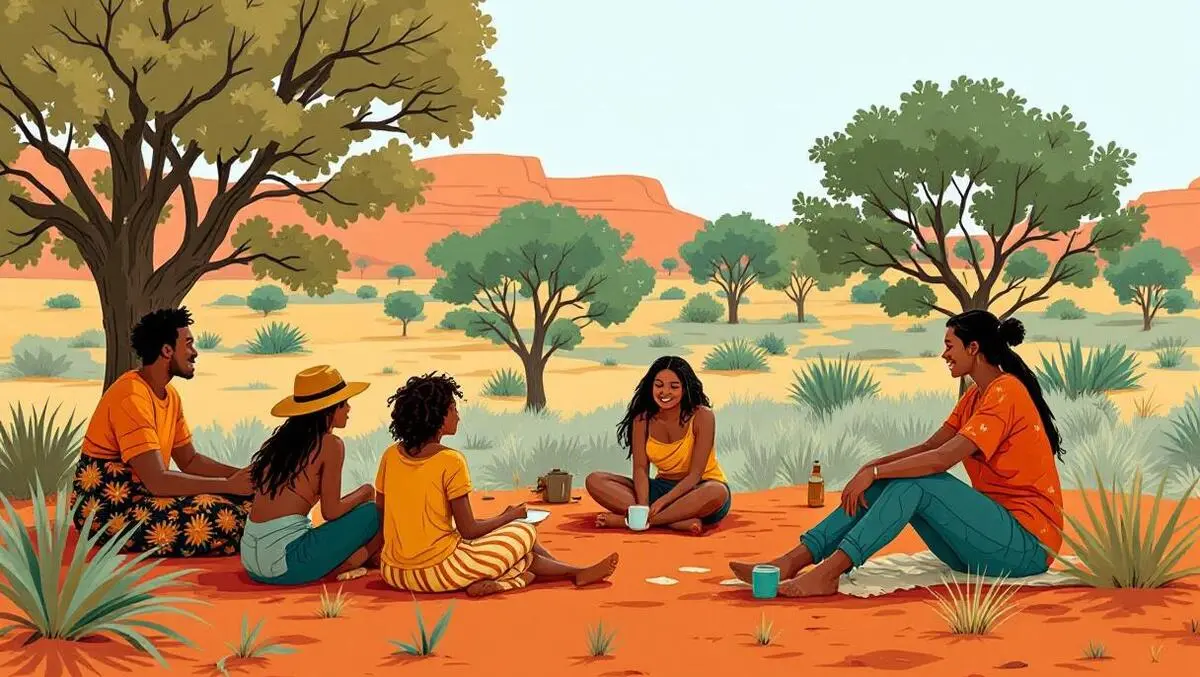
Mudgin-gal Aboriginal Corporation, based in Redfern, operates as a sanctuary for Aboriginal women and families, led entirely by Aboriginal women. Through its new Sacred Circles sessions, the organisation will blend trauma-informed healing practices with practical financial education, aiming to assist women in their recovery and financial empowerment.
Mookai Rosie-Bi-Bayan, with over 35 years of experience serving women and children in the Cape York, NPA, and Torres Strait regions, will implement the Building Futures, Building Communities programme. This initiative will establish a social enterprise utilising traditional plant knowledge to produce medicinal healing products, thereby advancing victim-survivor recovery through both cultural practices and economic empowerment.
CommBank will also maintain its collaboration with its previous partners, Strong Women Talking and the Council of Aboriginal Services Western Australia (CASWA).
Bank's commitment outlined
Mitchell Heritage, CommBank Executive Manager looking after First Nations business banking and a member of CommBank's Indigenous Leadership Team said: "CommBank's Next Chapter Innovation program was established to help break the cycle of financial abuse and empower people to rebuild long-term financial independence. This year, we are pleased to support First Nations communities through the program by investing in innovative, culturally informed programs. We are proud to back community-led organisations that are delivering real change on the ground."
New Elevate Reconciliation Action Plan
The release of CommBank's FY26-28 Elevate RAP signals its intention to further its engagement with First Nations peoples. The bank's eighth RAP outlines 12 reconciliation priorities, focusing on reconciliation and community, education and careers, business success and growth, as well as financial inclusion.
Karen Mundine, CEO of Reconciliation Australia said: "Commonwealth Bank's FY26-28 Elevate RAP sets out their priorities in further strengthening their engagement with First Nations peoples. It builds on the Bank's previous reconciliation commitments; through listening to the voices and expertise of First Nations people and using that knowledge to continually expand their strategies, the Bank demonstrates a sustainable approach to their reconciliation program, now and into the future."
CommBank's ongoing strategy is aimed at fostering more inclusive practices, listening to the voices of First Nations people, and implementing culturally appropriate support to tackle financial abuse and promote long-term financial wellbeing within Aboriginal and Torres Strait Islander communities.