

Macquarie launches Azure cloud practice for government
Wed, 22nd Jul 2026
Macquarie Government has launched a Microsoft Azure cloud and security practice for Australian federal and state agencies, marking its first public cloud offering for government customers.
The new practice extends Macquarie Government's long-running cyber and private cloud work into Azure-based public cloud and AI services for the public sector. Through its Macquarie Cloud Services arm, the company already provides cybersecurity services to 42 per cent of federal government agencies, including Tier 1 departments, and is one of four sovereign Azure expert managed service providers in Australia.
The launch comes as Canberra advances a broader national AI agenda, including a proposed AI framework and new support programs for small and medium enterprises. It also follows a speech by the Prime Minister that put local standards for trust, transparency and accountability at the centre of AI adoption.
Under the new Azure practice, Macquarie Government will tailor its services to meet Australian government security classifications, including Protected-level requirements. The portfolio includes managed Azure services, Microsoft XDR for managed security, Microsoft Sentinel, Azure Virtual Desktop, Azure Local and Microsoft Fabric.
Macquarie will use a co-managed delivery model, with agency IT teams retaining day-to-day involvement in their environments while the company provides Azure operations, optimisation and security services.
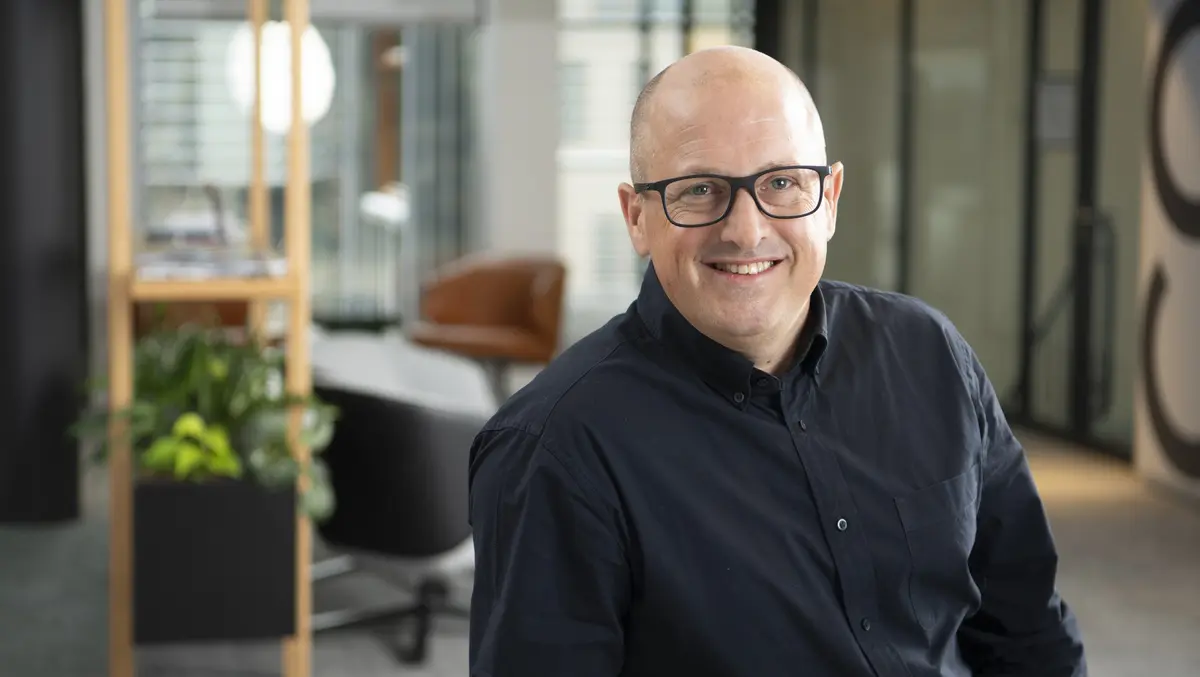
The expansion is led by Naran McClung, Executive Head of Azure at Macquarie Cloud Services, who has overseen the Azure managed services practice for commercial customers for the past seven years. Macquarie has also hired former Defence adviser Chris Peiris as Microsoft Security and Azure Lead, based in Canberra, to support public sector growth.
"We've spent years building and refining a Microsoft Azure practice that Australian businesses trust - now we're bringing that same depth of capability and hands-on delivery model to government," said Naran McClung, Executive Head of Azure at Macquarie Cloud Services. "This means a partner with real-world experience operating Azure environments at scale, backed by the security clearances and accreditations the public sector requires."
The timing also aligns with Microsoft's expanding role in the Australian public sector. The vendor has signed a new whole-of-government agreement with the Digital Transformation Agency and committed AUD $25 billion to local digital infrastructure, making Azure a core platform for many agencies.
Security and cost control are central to the new offer. Agencies are under pressure to strengthen defences, manage expanding cloud footprints and deal with ageing on-premises systems at the same time. Macquarie Government aims to provide security monitoring through Microsoft Sentinel and related tools, while also focusing on cloud governance and spend management.
Azure Local, Microsoft's hybrid deployment model, is a key part of the strategy. It runs on dedicated infrastructure with GPU capacity and supports hosting private AI models inside sovereign environments. Macquarie Cloud Services already operates Azure Local for commercial customers and expects demand from agencies that want AI workloads kept within Australian jurisdiction and their own security perimeters.
Beyond infrastructure, the expansion feeds into wider debates about how Australia should implement AI in practice. Business leaders have stressed that governance and workforce planning must keep pace with deployment.
Jarrod Kinchington, Vice President ANZ at Smartsheet, said governance standards must move beyond high-level principles.
"The Prime Minister's speech rightly reframes AI as a question of how Australia shapes the technology in line with its own standards, interests and values, not simply whether organisations adopt it. But making that work requires something more. For businesses, those standards will only be effective if they are embedded into day-to-day operations: knowing where data is held, who can access it, how AI-enabled work is governed, and whether decisions can be traced. It's governance made practical, not theoretical.
"Most organisations don't have that yet. They've got AI tools running, but they lack visibility into how decisions are being made or confidence that they're aligned with their standards. That's the gap between having AI and being able to govern it.
"Closing that gap means embedding governance into how work actually gets done: what systems can access, what gets logged, and what stays under human control. That's what separates organisations that are just running AI from organisations that can confidently operate it. Australia's AI standards will only matter if businesses prove they're embedding them into practice every day. That's what trusted execution looks like," said Kinchington.
Workforce implications are also in focus as the government develops its national AI framework. Mark Coyle, Chief Executive Officer ANZ at HeadFirst Global, said employers will need to adjust how they organise work.
"The Australian Government's national AI framework suggests that AI adoption and a strong job market do not need to be competing priorities, provided businesses are deliberate about how they integrate AI into their operations and ensure new jobs and roles connected to the technology are created locally.
"A key question is whether businesses will match that direction with action by adopting a considered approach to allocating work between people and AI, and preparing their workforces for what is coming. AI will reshape, eliminate and create new roles as it matures, and Australia's priority should be to ensure the new opportunities it generates are mostly filled by a locally skilled workforce.
"A clear framework can help ensure this happens, but it will not be enough on its own. It is critical that businesses begin transitioning to a new model of workplace orchestration, one that balances how people and AI agents work together safely, legally and productively. Australia has an opportunity to lead here by pairing this national direction with practical, human-centred implementation and helping shape the operational models of the future," said Coyle.
SME-focused initiatives are emerging alongside enterprise and government cloud deals. The Small to Medium Enterprise Centre of AI has launched the AI Information Line, a free national phone service funded under the federal AI Adopt program. It gives small and medium businesses general guidance on AI options and sends callers a written summary of each interaction.
"Australia's opportunity in AI will be shaped by how confidently our small and medium businesses can adopt it, safely and purposefully. That means meeting them where they are, with practical and responsible support.
"Initiatives built to a high standard of safety and accountability help give the SME sector a clearer, more confident path to adopt AI, and that is good for the whole economy," said Lee Hickin, Executive Director at the National AI Centre.
For Macquarie Government, the Azure expansion is part of this broader shift towards cloud-based, AI-ready infrastructure in government.
"Macquarie Government has spent years earning the trust of Australia's most security-conscious agencies, and that foundation gives us a unique ability to bring enterprise-grade Microsoft Azure capability to government in a way that's secure, transparent, and built around how agencies actually want to work," said Aidan Tudehope, Managing Director of Macquarie Government.
"Demand for cloud, data, and AI services across state and federal government has never been higher, and the timing has never been better," he said.