

MaxMine launches MAXI AI assistant for mine fleets
Mon, 3rd Aug 2026
MaxMine has launched MAXI, an artificial intelligence assistant for mining fleet management systems. It says the tool is the first of its kind built specifically for the mining industry.
MAXI gives users access to data held in the MaxMine platform on desktop and mobile devices, including a hands-free speech-to-text function for staff working away from site offices. It is aimed at supervisors, operators, mine managers and dispatchers who need operational information in the field.
The product draws on analytics and diagnostics from MaxMine's Pulse and Impact tools. It is designed to identify issues such as performance gaps and hardware breakdowns, and lets users ask natural-language questions about a current shift.
Examples include checking how many times a water truck has visited a refill station or whether an excavator is meeting its digging targets. The system also allows shift notes to be recorded by voice or text, with reports generated automatically at the end of each shift.
MAXI has already been tested at two Australian mine sites with Batchfire Resources. MaxMine says those trials showed potential to improve safety and site performance.
Field access
The launch reflects a wider push by mining technology suppliers to bring data tools closer to operational teams in pits rather than relying on office-based control rooms. MaxMine is positioning the software as a way to move short interval control into the field by giving supervisors direct access to live operational information.
The assistant is intended to link in-field decisions to broader reporting and give managers clearer visibility over actions taken during a shift. MaxMine also says it could help onboard newer supervisors by giving them access to the same system and records used by more experienced staff.
Future updates are expected to include real-time alerts and suggested responses to emerging site issues. One example is identifying queuing problems caused by unexpectedly hard digging conditions and prompting supervisors to intervene.
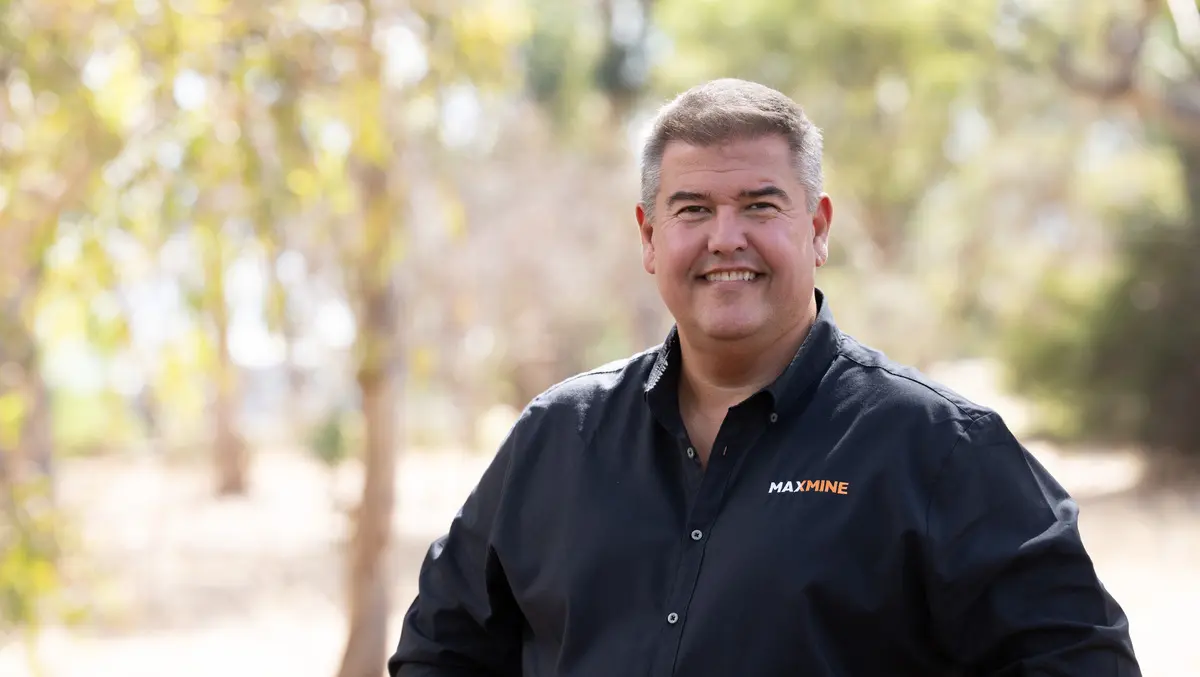
"Existing fleet management solutions can reveal what's working, but they don't easily identify problems and how to fix them. With MAXI, we can leverage AI in a user-accessible way to identify and fix issues before they escalate, saving everyone time and delivering greater accountability on the front line. MAXI effectively moves short interval control from the office to the pit, giving everyone confidence that the team is doing all they can to stay on target and achieve performance," said Shaun Mitchell, Chief Executive Officer at MaxMine.
Data handling
MaxMine says the assistant runs on a large language model hosted in its internal data centre. This means user data remains within each customer's own instance rather than being sent elsewhere for external processing.
According to MaxMine, the assistant accesses operational datasets through custom-built Model Context Protocols, which provide the model with the information needed to answer queries. The architecture is intended to tie responses back to the company's existing software environment rather than rely on general-purpose public data sources.
The announcement comes as miners and suppliers explore more practical uses for generative AI in operational settings, where adoption has often been limited by concerns over reliability, access to site data and the challenge of making software useful for frontline staff. Tools that can turn live production information into quick answers for supervisors are attracting growing interest, particularly where downtime, queuing and equipment utilisation directly affect output.
MaxMine supplies fleet management and mining performance software to natural resource groups including Glencore, Mineral Resources, Coronado Global Resources, NRW Civil & Mining, Macmahon and Batchfire Resources. The company focuses on fleet data, decision support and operational coaching aimed at reducing variability and improving cost per tonne.
MAXI's early testing with Batchfire gives the product an initial reference point in the Australian coal sector, where day-to-day production decisions often depend on how quickly supervisors can identify equipment issues and respond to changing pit conditions. MaxMine says the new assistant is intended to help make those decisions on site rather than after the fact in shift reviews.