

NAB introduces biometric selfies for online account security push
Fri, 29th Aug 2025
New NAB customers opening accounts or products online will now be required to take a selfie as part of enhanced security protocols to protect against fraud and scams.
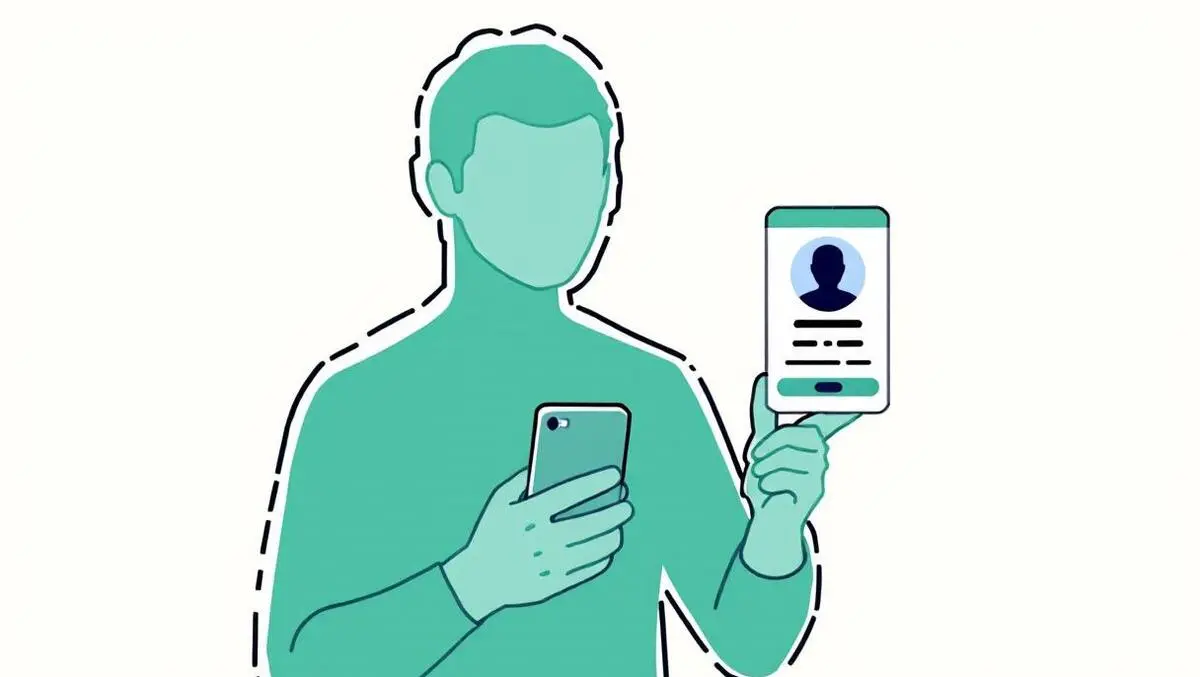
This new measure is being rolled out as part of the bank's wider scam strategy, aiming to address issues such as identity theft where criminals use stolen personal information to open fraudulent accounts. Along with the selfie, new customers must also scan an identification document such as a driver's license or passport and use their mobile phone to match their image to the ID.
The selfie verification system uses biometric technology, with artificial intelligence-powered liveness detection algorithms designed to confirm both that the applicant is a real human and that their identity document is genuine. If the system detects any anomalies, it refers the application to staff for further review before the account is established.
According to Catherine Macleod, Executive overseeing the project, more than 300 staff from 30 teams were involved in developing the new onboarding experience, which has taken 24 months to finalise. She emphasised the focus on both security and user experience throughout the development process.
"We're focused on making banking safer and simpler for customers. The introduction of biometric onboarding is a significant step forward in protecting customers from fraud and scams, right from the moment they join the bank.
"New customers will take a selfie and scan their ID when opening an account online to make it harder for criminals to use stolen or fake documents to open accounts.
"This capability has been 24 months in the making. More than 300 colleagues from 30 teams contributed to developing and delivering this new onboarding experience. Design was placed at the centre to create a fast, secure and accessible customer journey.
"The onboarding experience includes biometric technology that uses AI-powered liveness detection. The algorithms are trained to understand the face of a real human and genuine identity documents, helping to establish if the person is real and matches the identity document. This is crucial to prevent fraud like identity theft.
"If our digital solution detects anomalies, it'll flag the application for further review by our team before the product is established for the customer.
"We continue to invest in keeping customers and the bank safe through better customer experiences, tools and technology, and dedicated initiatives to reduce the impact of fraud and scams.
"We're committed to innovating and using technology to help stop the crime and protect people. We can, and will, do more."
Customer safety
The new process is being introduced in September for select products, with plans to expand it over time. It supports other customer protection initiatives such as confirmation of payee in digital banking, removal of links from bank text messages, and payment alerts.
NAB Group Chief Operating Officer Les Matheson noted that this measure is designed to strengthen safeguards for customers from the outset.
"We still have more to do, but this is a simple and fast way we can help protect customers against fraud and scams," Mr Matheson said.
"This initiative will make it harder for criminals to open fraudulent accounts or apply for fraudulent credit cards using documents they've stolen from the dark web or from someone's letter box.
"This sort of technology is already used for other services, including things like passport applications and we've designed the experience to be simple for customers to follow."
Currently, about 2 million customers each month use FaceID or fingerprints to log into NAB's app or internet banking. The bank also employs behavioural biometrics to help identify suspicious transactions.
Wider industry effort
The selfie and biometric identification process is part of the Scam Safe Accord, an industry-wide agreement launched in 2023 that outlines banking sector actions against scams. Macleod and Matheson indicated ongoing efforts are needed due to the evolving tactics of criminals, who operate outside the boundaries of laws and regulations.
"While we must do more and we will, criminals operate beyond laws and regulations," Mr Matheson said. "That's why every part of the scam ecosystem needs to remain focused on stopping the crime before it happens."
The scale of identity theft remains significant, with Australian Bureau of Statistics data indicating approximately 255,000 people are affected annually. Under the current rollout, subsidiaries such as Ubank, JBWere, and Medfin are excluded from this initiative at this stage.