

Remote launches expense cards for global employees
Fri, 6th Nov 2026 (Today)
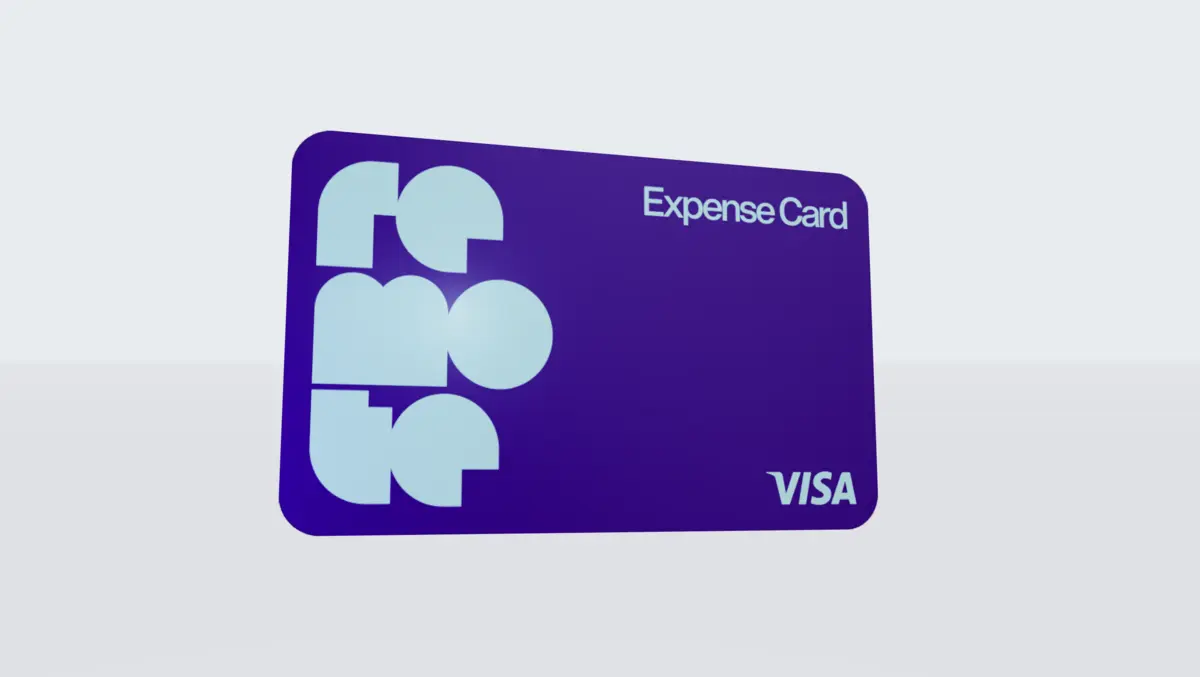
Remote has launched Expense Cards for eligible employees hired through its Employer of Record service, adding employee spending to the same system it uses for hiring and payroll.
The virtual payment card can be issued to overseas staff employed on a company's behalf by Remote. Companies can set spending rules in advance, and each transaction is linked to the employee and employing entity in Remote's records.
The launch marks a further move by the global employment platform into financial services. The card is available to eligible Employer of Record customers in supported countries and is designed for work-related costs such as travel.
Businesses that hire across borders often manage payroll, expenses and payment cards in separate systems. That can leave finance teams matching purchases to the right worker, location and legal entity after the event, while employees pay with personal funds and wait for reimbursement.
The card is tied to employment data Remote already holds, including role, location, entity and tax status. This allows spending rules to be applied when a purchase is attempted rather than after a claim is submitted, while approved transactions are automatically recorded as draft expenses awaiting a receipt.
How it works
Administrators decide who receives a card, what can be bought and how much can be spent. Transactions that fall outside those rules are declined at the point of sale.
For approved transactions, a spending record is created automatically in Remote Expenses. Employees then upload a receipt in the Remote app to complete the expense process.
The card can be used online or through Apple Wallet and Google Wallet, and is typically ready within one business day of being issued. There is no platform fee or per-card charge for customers.
Remote is positioning the product as part of a broader push to bring employment administration and spending into a single workflow. The card is not offered as a standalone corporate card product and remains tied to its Employer of Record service.
That distinction matters because the service is aimed at companies that use Remote to employ staff in markets where they do not have their own local entity. In those arrangements, the platform already manages payroll and employment records, giving it access to the worker data now used to govern spending.
Expense gap
Reimbursement will still be available in Remote Expenses for purchases better handled after the fact. Expense Cards are intended to add what Remote describes as a control-before-spend option, rather than replace every type of employee expense claim.
The approach reflects a broader issue for multinational employers, where dispersed teams often create fragmented back-office processes. Separate tools for payroll, expenses and cards can cause delays for employees and extra reconciliation work for finance departments, especially when spending takes place across several jurisdictions.
By connecting card use to employment records, businesses can view each transaction alongside payroll and worker information in the same platform. That could give finance and HR teams a clearer audit trail of who spent what, under which employing entity and within which policy limits.
A key element of the product is the use of upfront controls. Rather than allowing purchases and checking them during an expense review, the system applies policy at the moment of payment using the details already attached to the worker's profile.
Michiel Boere, Chief Financial Officer at Remote, said the product addresses a common problem for internationally distributed businesses. "Managing travel and expenses is a core part of running a global workforce, yet finance and HR teams often struggle to reconcile payroll and employee spending data," Boere said.
He said the company sees value in combining spending and employment records. "Remote brings employment, payroll and spending data together into one place. With Remote Expense Cards, employees around the world can pay for things like travel without using their own money, while teams set controls at the individual level and see every transaction alongside the employment data," Boere said.