

.webp)
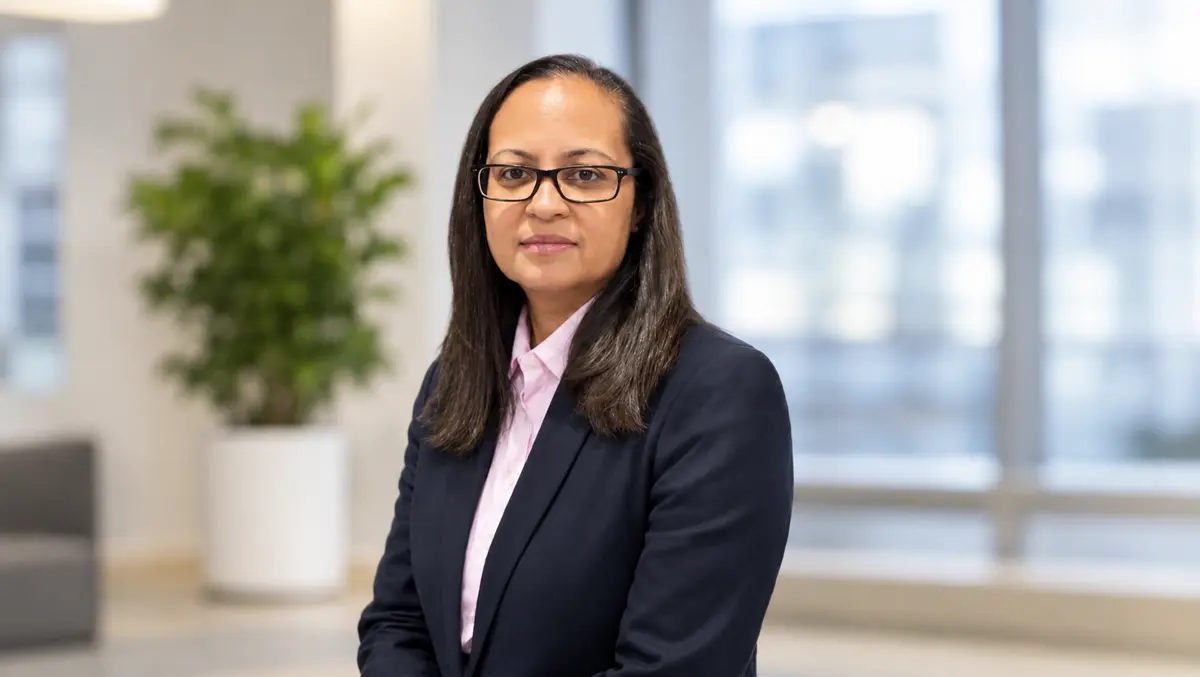
Shield has appointed Michelle Clark as Global Communications Surveillance Expert. She previously led communications surveillance capability at HSBC.
Based in London, Clark will work with financial institutions across Europe, the Middle East, Africa and Asia-Pacific. Her role also covers product strategy and customer programmes, at a time when banks are reassessing how they monitor a growing range of digital communications.
Shield sells digital communications governance and archiving software to financial institutions, a market shaped by tighter scrutiny of record-keeping, conduct monitoring and the use of artificial intelligence in compliance functions. The appointment is intended to align product development more closely with the practical demands facing surveillance teams inside large banks.
Clark brings more than 20 years of banking experience. Before joining Shield, she was Global Head of Communications Surveillance Capability at HSBC, where she worked on regulatory change, surveillance modernisation and risk-control strategy across international operations.
Her background spans communications and trade surveillance, model governance and financial crime controls. She has also worked with regulators and senior bank executives on the application of AI, machine learning and cloud technology in regulated environments.
The hire reflects a broader shift in the compliance technology market, as vendors seek executives with direct experience inside major financial institutions. Banks have been under pressure to improve oversight of employee communications across messaging apps, collaboration tools and other digital channels, while also showing that automated systems can be explained to supervisors and internal control functions.
Banking Focus
Communications surveillance has become a more prominent issue for financial institutions as regulators demand stronger controls over how firms capture, archive and review business communications. That has increased the need for tools that help compliance teams distinguish between routine messaging and conduct or market abuse risks without overwhelming staff with false positives.
At the same time, AI is playing a larger role in monitoring and triage, raising questions about governance, transparency and model oversight. Firms adopting those systems are expected to show how decisions are made and how risks are managed, particularly in areas affecting investigations, escalation and regulatory reporting.
Clark will help customers adapt to those pressures while contributing to Shield's product direction. The company has been developing AI-related features, including work on agentic orchestration and Model Context Protocol integration, as software providers race to show that newer forms of automation can fit within existing control structures.
Eran Noam, Co-Founder and Chief Business Officer at Shield, linked the appointment to those demands from bank clients.
"As financial institutions redefine their compliance priorities for 2027 and beyond, the convergence of AI, communications surveillance and risk governance is fundamentally changing what they expect from technology partners," said Eran Noam, Co-Founder and Chief Business Officer at Shield. "Michelle brings something invaluable to Shield: the perspective of someone who has led transformation from inside global financial institutions and understands what it takes to turn innovation into operational reality. Her expertise will help financial institutions get more from our platform and ensure it addresses the real-world challenges compliance organisations face. This appointment reinforces our commitment to building technology shaped by the people who understand the industry's challenges firsthand."
Industry Pressure
Large banks have spent recent years reviewing how they supervise staff communications as working practices and technology stacks have changed. The use of mobile messaging, cross-border teams and cloud-based collaboration tools has complicated long-standing compliance processes built around email and recorded voice channels.
That has created demand for systems that not only archive communications but also interpret context across different data types and jurisdictions. For providers serving financial institutions, credibility increasingly depends on showing familiarity with operational constraints inside banks, including alert volumes, governance structures and regulatory examinations.
Clark said those issues were central to her decision to move from banking to a specialist technology provider.
"Having spent more than two decades working inside global financial institutions, I've seen firsthand the challenges surveillance teams face as communications grow more complex, regulatory expectations evolve and AI reshapes the way institutions manage risk," said Clark. "The industry needs a better way forward, and I joined Shield because I believe it can lead that change. I want to help surveillance teams act with confidence and run surveillance programmes that are effective, explainable and trusted by institutions and regulators alike."