

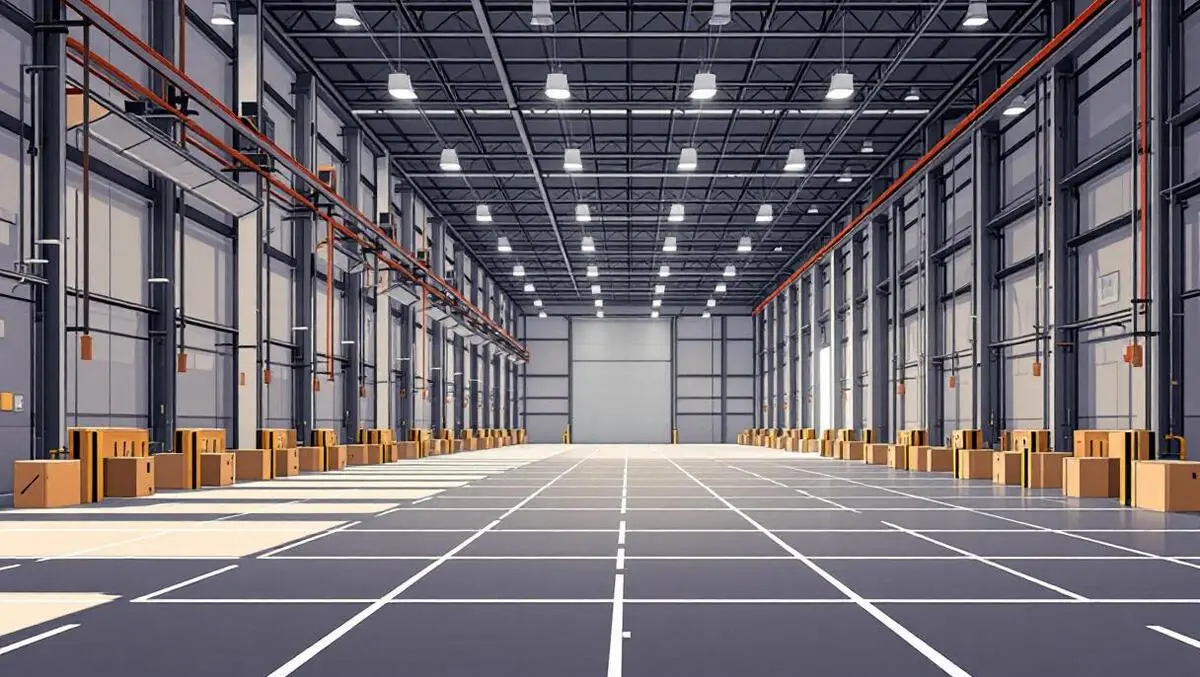
Warehouse vacancy rises as tenant focus shifts to custom builds
Tue, 18th Nov 2025
Vacancy rates for industrial warehouses in Australia have stagnated as developers struggle to find tenants for a surge of new speculative builds, according to new market findings. The country's east coast recorded 2.35 million sqm of vacant warehouse space during the second quarter of 2025, with nearly 40% of available stock comprising newly completed, unleased warehouses.
Speculative builds
Speculative development, where warehouses are constructed without pre-committed tenants, has played a significant role in shaping market conditions. Of the total vacant stock, 905,000 sqm was classified as brand-new and unoccupied, placing pressure on landlords to offer substantial incentives and discounts to attract occupiers.
Rental rates have responded accordingly. Sydney's prime rents fell from AUD $269 per sqm to a range of AUD $220-230 per sqm during 2025, with incentives reaching their highest levels in ten years, standing at 20-30%. In Melbourne, developers have slowed construction activity, with new project completions forecast to fall by 40% in 2025 compared to the previous year. The city's vacancy rate rose from 3.1% to 4.1%, with most new projects awaiting tenant commitment before proceeding, adding to future supply uncertainty.
Tenant preferences
The shift in market dynamics is partly due to a change in occupier requirements. Many businesses are opting for customised, purpose-built facilities to support their operational needs, rather than committing to existing speculative stock. Although custom developments typically require higher initial investment, companies are prioritising long-term operational efficiency over immediate cost reductions.
Industry analysis suggests that this preference for tailored builds has left a significant proportion of high-quality warehouse stock vacant, while companies investigate greenfield opportunities. As a result, the traditional landlord-dominated market has shifted, bringing tenants' supply chain strategies to the forefront of real estate decision-making.
"For decades, developers have speculatively built warehouses and successfully found occupiers through the industrial real estate industry. However, finding tenants at the same pace and density has become increasingly difficult. This shifting landscape requires a more integrated approach to industrial property decisions for tenants, where real estate availability and costs can become primary drivers of supply chain strategy rather than secondary considerations," said Peter Jones, Managing Director, Prological.
Regional trends
Market conditions continue to diverge in major cities. Sydney has maintained a low vacancy rate of 2.4% while absorbing 201,000 sqm of new supply in Q2. However, the increased competition has seen both rents and incentives move sharply in favour of tenants.
In Melbourne, most businesses are choosing to renew existing leases or consolidate sites instead of making new lease commitments. This behaviour, combined with a predominance of uncommitted development pipeline, clouds the outlook for further construction starts and completion rates.
Brisbane recorded the highest vacancy in key markets, at 5.1%, though rental values have stabilised. Pre-leasing activity, which had previously underpinned new builds, has slowed considerably over the past two quarters.
Adelaide stands apart from the national trend, with reported annual rental growth of 10.1%. The city remains a landlord's market due to limited new development, forcing most businesses requiring new warehouse space to commit before construction begins. The scarcity of large-scale projects means tenant options remain restricted, despite overall tighter supply conditions.
Market outlook
Forecasts anticipate a reduction in the volume of new warehouses coming to market, with overall East Coast completions expected to drop by 20% in 2025. Although current tenant-favourable conditions are unlikely to continue indefinitely, businesses currently seeking industrial space have a window to secure more advantageous terms.