Access Control stories
Recent breaches show healthcare providers could leave former staff with lingering access to patient records, even after credentials are meant to be revoked.
New controls aim to keep sensitive data usable in AI systems while reducing re-identification risk and improving recovery after outages or attacks.
Interoperability gaps in coalition networks can leave classified data inconsistently handled, and Janusnet says Accord is designed to fix that.
A months-long detection gap has exposed how AI agents and other non-human identities can reach sensitive systems before anyone notices.
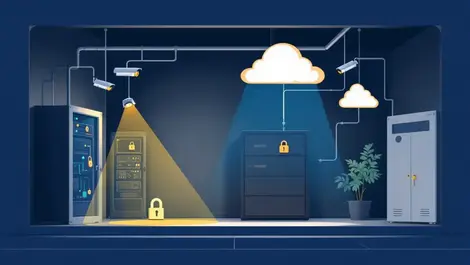
Firms face greater risk of exposed footage unless they keep surveillance video and AI analytics on site, Synology says.
The feature aims to ease a growing bottleneck for platform teams releasing changes across hundreds of Kubernetes clusters and edge devices.
The launch follows research showing AI coding agents can issue millions of commands and reach dozens of external services on enterprise endpoints.
The real payoff is fewer stale access cards and faster revocation, as a lanyard badge can now update identity and door access in months.
Gartner says Fortune 500 firms could run 150,000 AI agents by 2028, raising the risk of overprivileged machine identities.
The tie-up lets security teams remove standing privileges from ServiceNow workflows while keeping fast access for staff who need it.
Resilience-minded organisations are turning to compact edge systems to keep critical services running if cyberattacks, outages or floods hit.
Boards are being warned that AI, identity and software supply chain gaps are outpacing controls, leaving organisations more exposed to fast-moving attacks.
It aims to cut delays and keep access approvals inside audited tickets, instead of forcing IT teams to move between separate systems.
The approval widens Gallagher Security's access-control options for government, defence and utilities customers needing NPSA-recognised hardware.
Shadow AI is driving higher breach and compliance risks, with exposed firms incurring around $670,000 more in data-breach costs.
The free upgrade should let cloud administrators tighten access controls and fix blocked traffic faster across larger Google Cloud estates.
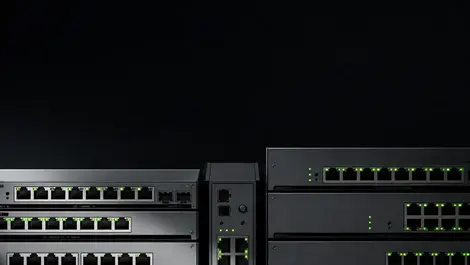
The nine-model range includes PoE and fanless options, letting small businesses fit switches into tight spaces without extra building work.
Most enterprises still lack controls for AI agents, with SailPoint's survey finding only 2% have tools to govern them.
Enterprises struggling to move AI projects into production can now get CTERA engineers embedded with their teams to prepare data and build workflows safely.
Customers can now start building AI agents from USD $50 a month, as DigitalOcean bundles runtime, tools and storage into fixed plans.