Decarbonisation stories
The Australian clean energy investor is doubling down on grid upgrades and net zero delivery as its capital base tops AUD $33 billion.
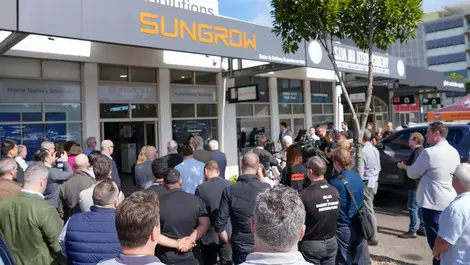
The Sunshine Coast site gives households and businesses live demos of solar, battery and EV charging systems as demand for home storage grows.
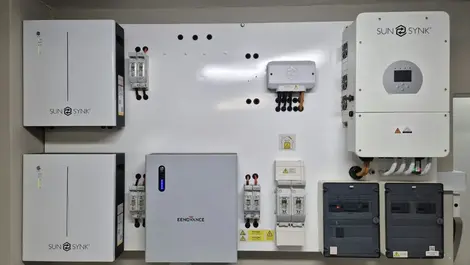
Lower feed-in rates and evening demand can make home batteries worthwhile, but only if your solar use and backup needs justify the cost.
The upgrade is aimed at strengthening cyber security and reliability at a gas-fired plant supplying about half of South Australia's thermal power.
Councils can now filter vetted circular economy suppliers in one system, easing procurement checks across New South Wales's 128 local authorities.
Households facing outages could gain quieter backup power as VTOMAN adds two LiFePO4 stations with fast recharge and UPS support.
Procurement teams face new scrutiny as Gravity argues many 'AI agents' sold to enterprises cannot handle real-world sustainability data.
The deal and new funding will help ASUENE expand its supply chain emissions tools as disclosure rules tighten across Europe and the UK.
Ageing networks and tighter budgets are pushing operators to use data to cut outages, prioritise maintenance and stretch asset life.
Most firms still lack real-time emissions data when booking worker stays, limiting greener choices and leaving carbon a reporting exercise.
Operational execution will be key as Greenvolt Next scales renewable energy projects for commercial and industrial clients across Ireland and the UK.
Customers can now see carbon data for all target Logitech products as the company reports a 33% cut in Scope 3 emissions.
Energy use and waste recovery are ahead of schedule, with LG cutting operational emissions below its 2030 goal and lifting recycling to 97.3 per cent.
The overhaul also removed water use from cooling and was completed without any interruption to customers' hosted services.
Greater access to clean electricity is now seen as crucial if operators are to keep emissions falling while data use keeps rising.
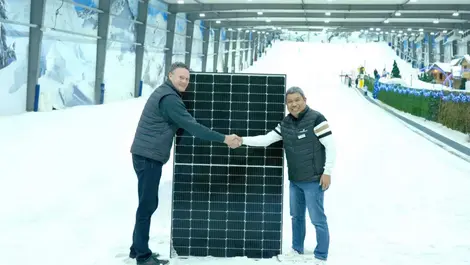
The indoor ski venue expects the project to cut grid electricity use by about 30 per cent while trimming operating costs in summer.
Early-stage Irish start-ups could get mentoring and finance as a new accelerator and a EUR 250 million lending fund target green growth.
Managed EV charging across Ontario could defer grid upgrades as utilities test AI to cut evening peaks and local congestion.
The hire comes as the electricity market technology firm expands in Texas and the UK after its USD $75 million Series B funding round.
The deal gives ECL a firmer power plan for its Santa Clara AI campus as data centre operators face tightening electricity constraints.