Digital Economy stories
Australia's cyber jobs shortage is pushing employers to judge practical performance and incident readiness more than certificates and titles alone.
Public interest in Victoria's AI scene was on show as more than 400 visitors packed Melbourne Connect for rare robot demos and startup pitches.
The Bali forum is meant to help Indonesian studios win funding, publishers and overseas distribution as the sector pushes beyond its domestic market.
Operators can now reroute traffic to Frankfurt via three separate corridors, reducing the risk of outages across the Middle East and Balkans.
Viewers streaming Champions League matches pushed traffic to 21.47 terabits per second, as demand on the hub rose 7 per cent in under four weeks.
Billions still offline and fraud on the rise as the GSMA pushes for 5G returns, cheaper handsets and global 6G standards.
The relocation gives Kazakhstan a higher-profile platform to court investment and shape regional debate on connectivity, AI and telecoms policy.
It aims to cut repeated verification checks and let businesses trust AI agents without collecting the same personal documents from users each time.
Hiring is tightening in Australia's east coast states as a AUD $150 billion data centre build-out lifts demand for trades and technical staff.
North East SMEs will get guidance on public sector contracts and cloud tools at a free Newcastle session with AWS and industry speakers.
Manufacturers, hospitals and service firms face escalating extortion threats as organised crime drives most attacks across Australasia.
AI is forcing iGaming operators to slim teams, tighten security and face closer scrutiny as the sector becomes a test bed for digital business.
Banks in Asia Pacific can now send cross-border payments into retail wallets, as BNY taps rising demand for faster consumer payouts.
A survey by Pure Telecom found 56% of adults in Ireland would consider influencing for income, while 82% already follow at least one creator.
With 12% of respondents scammed last year, the GSMA says faster case resolution and stronger digital trust are vital for India's next growth phase.
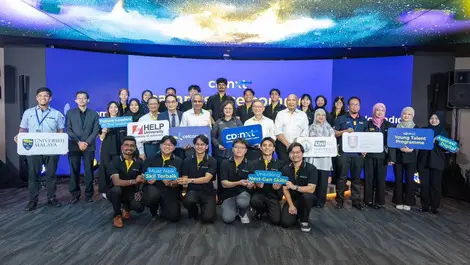
More than 300 students a year could gain workplace experience as CelcomDigi ties final-year residencies to university study in Malaysia.
The fresh capital will help the London-based AI data company hire, deepen its digital twin network and push further into the US market.
It aims to cut app switching for British users by linking messaging, events, social content and peer-to-peer payments in one place.
Builders face rising delays and overruns as wetter, stormier conditions threaten to disrupt UK data centre projects through 2027.
The rollout broadens Apple's reach into India's fast-growing cashless market, but only Axis Bank Visa and Mastercard credit card holders can use it at first.