Health and Safety stories
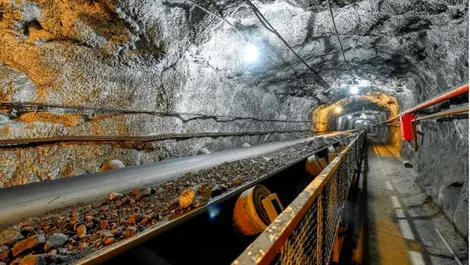
Built for abrasive ore and strict fire rules, the belt aims to cut replacements and unplanned downtime in underground mines.
Long hours, compliance pressure and mental strain are prompting many Australian logistics staff to consider quitting within five years.
The shift reflects a bid to bundle operations software and insurance for 80,000 organisations as frontline work becomes more data-driven.
Security teams are increasingly being used to improve efficiency, safety and compliance as retailers seek more value from ageing systems.
Employers can now tap a wider mix of AI, leadership and safety training as OpenSesame grows its library to 68,000 titles.
Better onboarding could make fleet safety tech far more effective, as prepared drivers were three times likelier to rate coaching highly.
Cheaper non-original components could leave crane owners facing downtime, invalid load charts and greater liability, the manufacturer said.
Halter's virtual fencing could let producers carry up to 30% more stock and move herds faster in droughts, floods or fires.
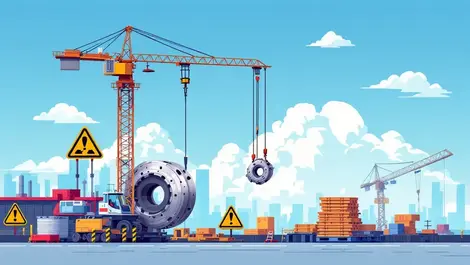
Contractors gain new kit to improve crane safety, visibility and cab comfort, as Potain broadens support beyond the initial sale.
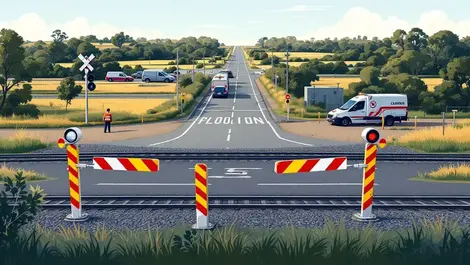
More than 150 organisations are backing a national push to curb the rise in fatal and near-miss incidents at Australia's railway crossings.
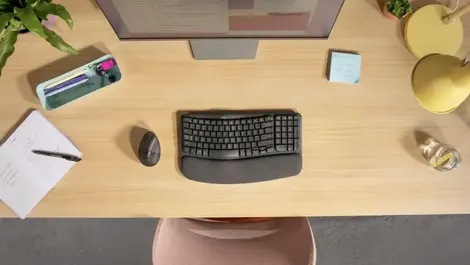
Left-handed office workers in Australia face fewer mouse options as Logitech pushes a vertical ergonomic model to ease desk strain.
Growing payroll mistakes can now trigger fines, back-payments and board scrutiny in manufacturing as super rules and labour hire reforms bite.
The North American trial could help cut caregiver injuries by showing whether Vendlet reduces strain in routine patient repositioning.
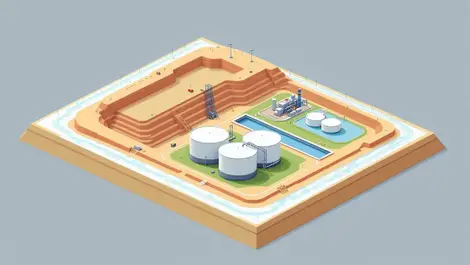
New guidance says tank farms need a third line of defence, or spills and firefighting run-off could escape bunds and spread beyond site.
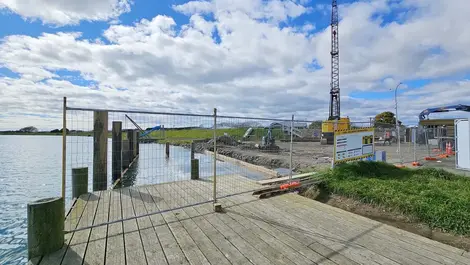
Extra rock removal is likely to push Ōpōtiki's new jetty extension over budget by about NZD $100,000 before decking starts.
WorkSafe's new guidance ties medical cover to site risks, meaning some New Zealand events may need more than basic first aid to protect crowds.
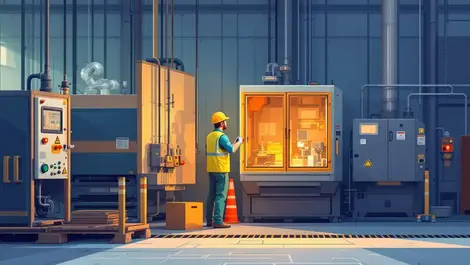
Stricter guidance now pushes businesses to eliminate machinery risks first, after decades of amputations and crush injuries exposed guard gaps.
The higher rating could help Mphasis win business as customers and investors scrutinise environmental, social and governance performance more closely.
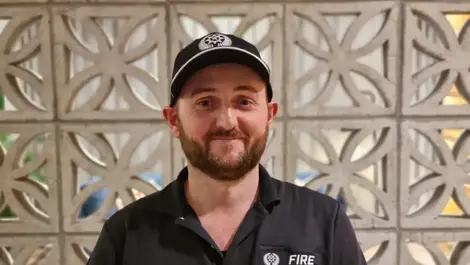
The deployment will give New Zealand crews urgent experience as unprecedented blazes threaten the US north-west and western Canada.
Businesses will face new duties from April 2027 as Wellington puts serious harm at the centre of workplace safety law.