Law enforcement stories
Trust is shifting from plastic cards to phones as states align mobile licences with international standards for everyday identity checks.
Retailers face mounting pressure as privacy advocates warn the glasses could let shoppers film people covertly in public and private spaces.
Investigators in Australia, New Zealand and the US are already using the start-up's platform as online crime cases grow more complex.
Clients now want help across the full cyber attack lifecycle, as Forrester says incident response is moving beyond containment and forensics.
The appointments strengthen Siren's links to law enforcement and intelligence customers as demand grows for faster cybercrime investigations.
People under stress, not just older adults, are most likely to miss scam warnings, with tiredness and financial strain among the biggest risks.
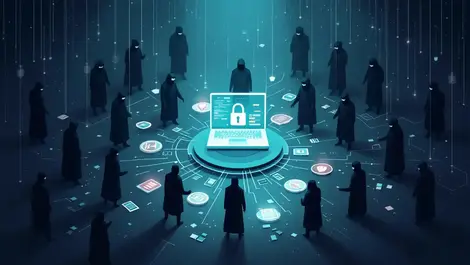
More groups are now driving attacks, leaving victim numbers flat even as ransomware operations reached a record 93 active crews in the quarter.
As AI speeds up attacks, the new platform aims to help security teams prioritise the most exploitable risks before breaches occur.
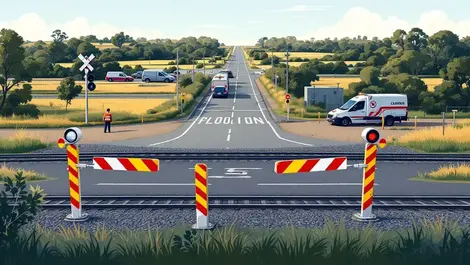
More than 150 organisations are backing a national push to curb the rise in fatal and near-miss incidents at Australia's railway crossings.
A US court has frozen alleged proceeds from the hack as the exchange seeks to recover only a fraction of the missing crypto.
Government and media sites were hit hardest as Cloudflare reported 23.2 million network-layer DDoS attacks in the first half of 2026.
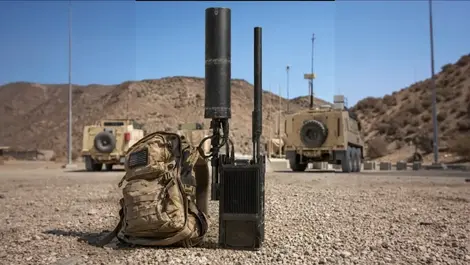
Demand for counter-drone tools is rising as armed forces seek portable kit that can interpret radio signals in the field, not just collect them.
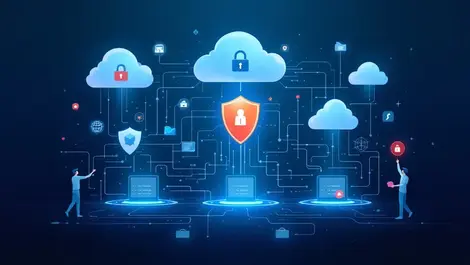
Security teams can now buy the product through AWS billing, potentially speeding procurement and counting it towards committed cloud spend.
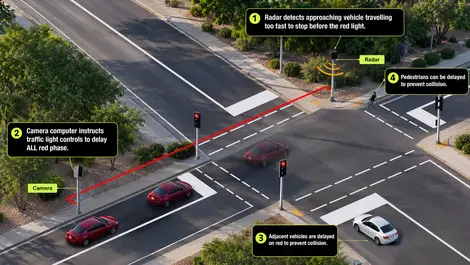
Road authorities may get a new tool against deadly T-bone crashes as the system briefly holds cross traffic when a violation seems likely.
Nearly every adult in Ireland was targeted by scam texts or phishing attempts last year, with more than one in five paying out and losing money.
Public safety and emergency teams could get longer overwatch and delivery missions as gas-powered drones stay airborne for more than 150 minutes.
The force says the switch has freed capacity equal to four staff a month, helping it meet statutory deadlines and cut printing costs.
The frozen food chain says fewer false alarms and faster staff alerts are helping protect customers, after theft losses fell 80% in pilot stores.
Verizon is offering USD $25,000 for information leading to convictions over network vandalism that has disrupted services in California.
Operators will get one platform for fuel theft, shop crime and police reports as unpaid fuel incidents and staff abuse keep rising.













.webp)