Māori stories
The initiative will give 500 students in Australia and New Zealand mentoring, pitching practice and exposure to tech careers over the next year.
Cost pressures have helped slow New Zealand's media shift, with television narrowly beating global video-sharing platforms and streaming use easing.
New Zealand faces mounting espionage, cyber and terrorism risks, with Andrew Hampton saying communities and businesses must help spot them.
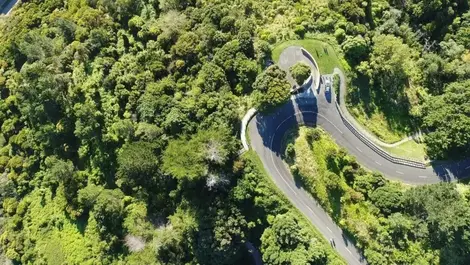
Night-time vehicle access to Titirangi Maunga will end in early 2027, after residents backed gates to curb dumping and vandalism.
What began with 76 graduates has grown into New Zealand's largest construction health and safety event, drawing more than 350 attendees.
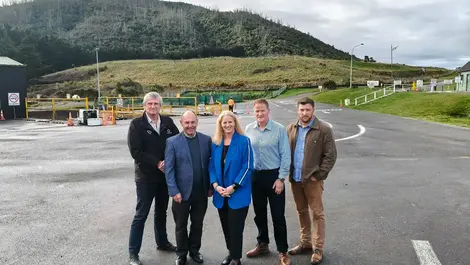
The upgrade is expected to divert up to 8,000 tonnes of waste a year as Taupō weighs a future beyond the Mt Tauhara dump.
With deepfakes and other harms already reaching users, academics say a dedicated office would help New Zealand regulate AI and join global talks.
Approval of the assay could speed kauri disease monitoring and help land managers catch the soil pathogen earlier, researchers say.
The deal adds about 100 staff and gives RSK a wider base in New Zealand's water, infrastructure and energy markets.
After years of disruption, Auckland CBD traders are banking on Sunday's City Rail Link opening to bring steadier footfall and custom.
Funding for Taupō's lower fields now gives visiting teams accessible changing rooms, toilets and a dining room ahead of major tournaments.
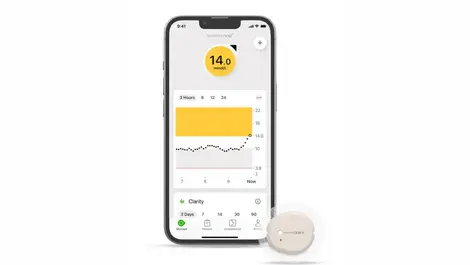
The rollout could spare non-smartphone users from being left behind, while privacy safeguards and encrypted storage aim to keep hackers out.
Ratepayers in South Wairarapa will avoid a funding gap of up to NZD $35 million after NZTA agreed to keep Cape Palliser Rd largely subsidised for three years.
Council officers say the scrapped agreements will save little time, but leave 14 iwi entities facing uncertainty over future participation rights.
Whānau bookings have been moved as the marae shuts from 31 August to 31 December for a new ablution block and safety-critical services work.
The first 26-kilometre stretch is due to open in 2033, after the Government closed a NZD $3.649 billion deal for the route.
The awards aim to widen Māori access to tech careers by funding study, mentoring and business links for 18- to 25-year-olds.
The rise in graduates has not kept pace with demand, as New Zealand still needs up to 2,300 extra engineers a year.
Gaps in access and affordability are leaving one in 10 New Zealand households offline, prompting calls for stronger public investment and resilience.
Verified climate targets have pushed One NZ to cut its reported Scope 1 and 2 emissions 82% from a 2024 baseline by FY2026.