Personal data stories
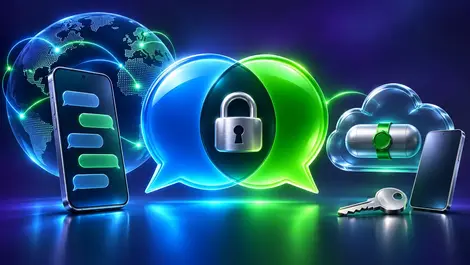
A readable cloud backup can expose private chats to breaches, subpoenas and staff, while user-held encryption keeps recovery private.
Holiday messaging on the app is now cheaper in 86 countries, with credit packs cut by at least half until Christmas.
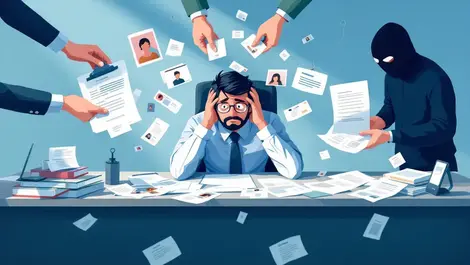
Researchers found every senior AI leader studied had exposed personal data, including phone numbers, addresses and birth dates, raising impersonation risks.
The findings suggest executives at major AI firms face heightened phishing and impersonation risks from easily gathered personal details and family records.
Most firms are failing to give AI the business rules it needs, leaving decisions exposed to misinformation, errors and compliance risks.
Most organisations risk inaccurate AI outputs and compliance failures because only 17% say their systems have the business context needed to guide decisions.
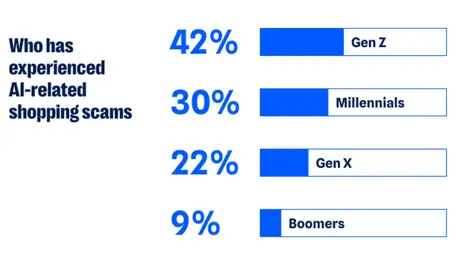
Holiday shoppers are increasingly exposed to harder-to-spot fraud, with 28% of consumers saying they have fallen for an AI-related scam in the past year.
The tie-up offers executives and families one service to remove exposed data and secure personal devices as physical threats increasingly start online.
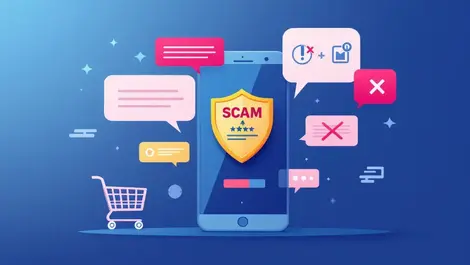
The free app checks links, messages and images to help consumers spot scams before they click, buy or share on mobile.
Claims are now spreading beyond the US as attackers favour data theft and extortion, with New Zealand firms increasingly in their sights.
As AI note-taking spreads, employers risk exposing confidential talks unless they set clear rules on consent, access, storage and deletion.
The tool is designed to save auditors three to four hours per engagement by spotting missing items and inconsistencies in workpapers and statements.
Businesses risk costly GDPR breaches because paper files can escape digital controls, go missing for months and be harder to trace.
A growing share of shoppers are using AI to compare prices, though few are willing to let it make purchases for them.
A gap in training may be leaving firms exposed, as 55% of workers surveyed did not think their own online activity could spark a breach.
More than 80,000 terminals will soon let merchants verify age at the till with New Zealand's Kiwi Access digital credential, cutting document checks.
The redesign aims to keep users engaged after setup, letting them correct their digital twin's responses and earn rewards for paid research.
Yet privacy concerns remain a major hurdle, with seven in 10 New Zealanders saying they have already had a problem linked to digital identity.
A new survey suggests shoppers are increasingly willing to trade personal data for discounts, pushing loyalty programmes to the centre of retail strategy.
US adults are using AI agents weekly, but half fear letting them spend on a credit card as trust falters over fraud and data sharing.