Sensors stories
With AI use in Australian farming at just 3%, a new tool is being trialled to save producers hours of night-time paperwork and data entry.
Robotaxi service could be viable in Australia within 24 months if operators win approvals and prove the vehicles can handle local roads safely.
Software tools are helping engineers save time as Australia braces for a shortfall of about 150,000 staff over the next decade.
Retailers and IT teams are using networked cameras for analytics and automation, but each new device also widens cyber risk.
Stronger appetite for defence-linked venture bets has lifted Beaten Zone's debut fund, which will back more Australian start-ups over the decade.
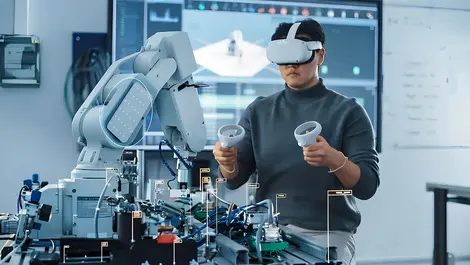
Demand for engineers who can link AI to industrial systems is rising as manufacturers race to automate safely and stay competitive.
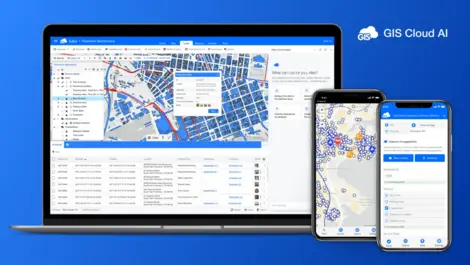
AI tools have helped the mapping platform top 220,000 users across 60 countries, with daily sign-ups now above 100.
Early security design can improve uptime and reveal operational data in data centres, but only if cybersecurity is built in from the start.
Incomplete asset inventories are leaving industrial operators exposed, with only 21% able to track every OT system despite 88% calling programmes mature.
Food retailers face avoidable spoilage, illness risk and regulatory exposure as most still rely on manual checks that miss cold-chain failures.
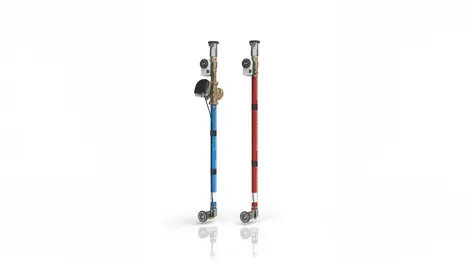
Backed by EUR 4 million in fresh funding, the Finnish metals monitoring company is stepping up expansion into mining, wastewater and battery recycling.
North American chiller makers should see shorter lead times as Danfoss brings oil-free check valve output closer to them in Mexico.
Customers will see Dyson push into oral care and broader home tech, with 13 connected products and support services now on offer.
The start-up will gain Canadian customers and testing support as it seeks faster sales of its load-bearing battery technology in defence and aerospace.
Operators under pressure to curb AI-driven power and water use will see Danfoss pitch cooling kit aimed at cleaner, more reliable data centres.
Wider adoption in Canada is being held back by slower digital maturity, even as firms push spatial AI into hospitals, factories and defence sites.
Designed for wall placement in Singapore homes, the purifier targets rooms up to 62 square metres and costs SGD $744.
Manufacturers risk losing sight of product condition after dispatch, as Asia's AI push exposes the gap between factory data and delivery.
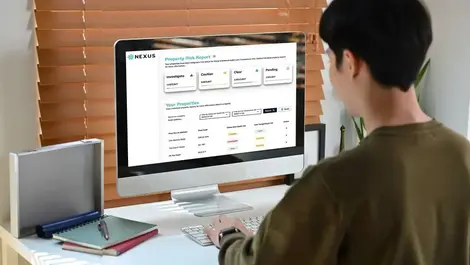
Housing providers could trim maintenance bills and spot damp risks earlier as Chameleon's Nexus links live data on buildings and assets.
Food and medicine deliveries to remote communities could become cheaper as Ribbit trials autonomous cargo flights from retrofitted aircraft.





.webp)