Water stories
Empired lands AU$59m contract with Water Corporation for digital workplace and infrastructure managed services.
Australia's LASER is releasing its second generation of smart home products, including security cameras and smart doorbells.
It's been a little a while since I've tried a new pair of wireless earphones, mainly due to a couple of rough experiences with them in the past.
New Zealand Government invests $200k in new climate forecasting tool to help farmers prepare for dry conditions.
New lows for ransomware attacks, an increase in nation state attacks, a decline in critical infrastructure defences, and 2022 becoming the year of the defender.
The number of ICS vulnerabilities disclosed in 2020 increased by more than 30% compared to 2018 and nearly 25% compared to 2019.
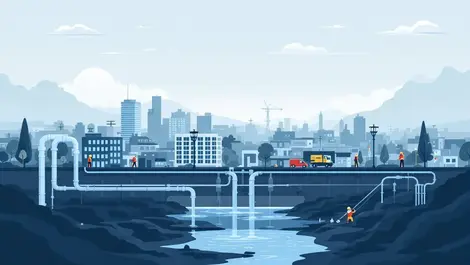
IDTechEx explains cities increasingly, and massively, depend on water technology as sea levels rise and for other reasons.
Vertiv has been recognised as a global leader in the data center cooling market, holding a 23.5% market share, according to a report by Omdia.
The US$144 million data center is a purpose-built facility that will increase cloud connectivity for enterprises.
Equinix invests $144m in new data center in Singapore named SG5, meeting the increasing demand for cloud connectivity.
Projects saving time, money and emissions were among eight winners at the 2021 IPWEA NZ Asset Management Excellence Awards.
Plastic pollution in rivers, oceans and wastewater systems could finally face tougher global rules after nearly 200 countries backed a UN treaty.
Poor sanitation and water management are emitting methane, while better policy could help cut climate pollution and expand clean energy.
The government’s plan could cut household costs, but councils fear losing control over water assets as a 30-year fix is pursued.
Household water bills could soar unless New Zealand overhauls ageing networks, with studies flagging up to NZD $185 billion of work needed.
Covering 35,000sqm, the wetland is meant to cut pollution, store floodwater and create habitat for endangered native wildlife in South Auckland.
Up to 30 percent of Wellington’s drinking water is lost to leaks, prompting a unanimous council push for urgent infrastructure upgrades.
Climate pressures and city growth are pushing utilities to rethink costly central plants in favour of smaller systems that boost resilience.
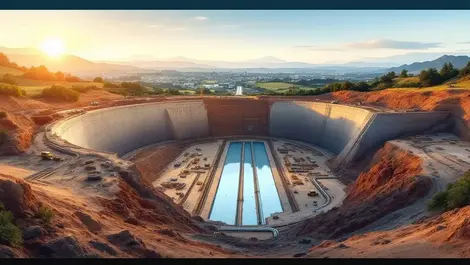
Residents could soon have 48 hours’ water supply in an earthquake as work starts on a GBP £68 million Wellington reservoir.
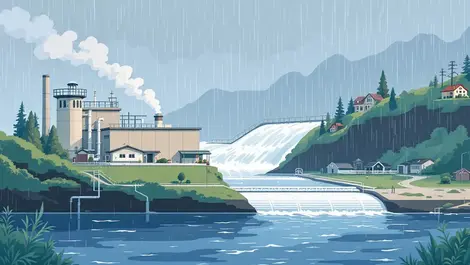
Health and sanitation in many communities could be put at risk as sea-level rise and heavier rain strain wastewater systems.