

Australia inflation cools but RBA likely to tighten again
Wed, 30th Sep 2026%201.webp)
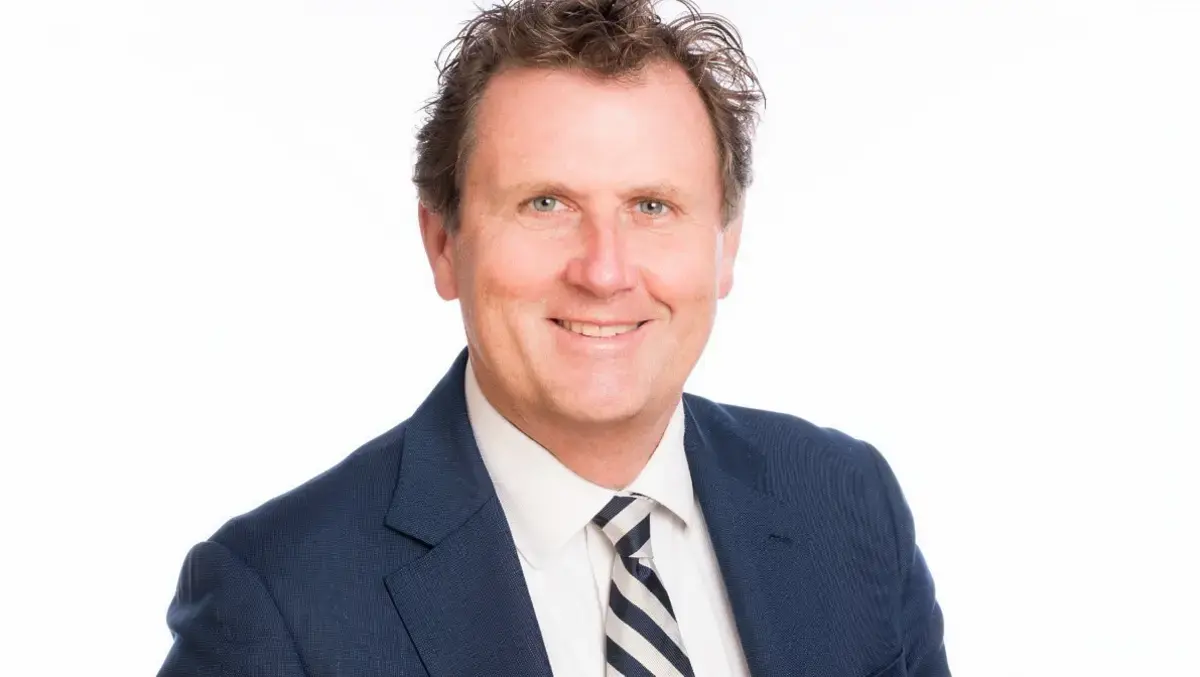
CreditorWatch Chief Economist Ivan Colhoun said Australia's August inflation data came in below expectations, but the Reserve Bank of Australia is still likely to tighten monetary policy further.
The trimmed mean consumer price index rose 0.244% month on month in August, down from 0.48% in July, leaving the annual rate at 3.6% for a third straight month. Colhoun said the result should be treated cautiously because the monthly data appears seasonal, with the first month of each quarter tending to run hotter than the following two.
He said that pattern was visible in August price moves, which unwound steep July rises after the end of end-of-financial-year discounting. In his view, the softer reading did not mean inflation was under control.
Petrol was one of the clearest sources of pressure, rising 14.8% over the month. Colhoun said the jump followed the end of fuel excise subsidies and stronger oil prices in August. He expects another rise in petrol prices next month, along with larger increases in diesel.
He also pointed to technology-related price increases linked to the surge in artificial intelligence investment. In his analysis, the games, toys and hobbies category rose 12.7% month on month as memory and storage costs increased, echoing similar trends in other countries.
Inflation mix
Services inflation remained a concern, even though some components moderated in August after strong rises in July. Colhoun said categories affected by higher minimum and award wages from the start of July posted smaller monthly increases this time, but over the two months were still rising faster than was consistent with the central bank's target.
Housing-related costs also continued to weigh on the inflation outlook. New dwelling construction recorded more moderate increases after a prolonged run of strong gains, while rents rose 0.3% in the month, a pace Colhoun said was consistent with an annual underlying inflation rate of about 3.6%.
Travel prices were mixed. Holiday travel and accommodation costs fell on a seasonal basis, though Colhoun said domestic and shorter trips were showing firm price growth during the school holiday period. Longer-haul travel for the following year was being discounted, suggesting households were shifting to cheaper destinations.
Rate outlook
CreditorWatch's analysis found that the broader composition of inflation remains a challenge for policymakers. It found that only 10% of the CPI basket was recording annual price increases below the RBA's target, with 3% at target, 27% around the top of the target band and 60% still above 3%.
That breadth helps explain why Colhoun believes the central bank is unlikely to be finished with rate rises despite the softer August reading. He said commentary from senior RBA officials before the latest Board meeting suggested a tougher stance on inflation, although the Governor's subsequent press conference pointed to a slower approach rather than consecutive moves.
Colhoun said the central bank's message was that officials hoped the four rate rises already delivered this year might prove sufficient. Even so, he argued the overall inflation backdrop still supported the case for more tightening.
"Yesterday's RBA press conference leads me to expect a continuation of monetary policy gradualism rather than quick back-to-back moves which will likely be welcome news to business and consumers. Unfortunately, the scale of the AI boom suggests the RBA Board has not finished tightening," Colhoun said.
He said the latest monthly inflation result still sat above the pace needed to align with the RBA's goal.
"My base case remains that the world - and Australia - is in the middle of what's likely to be a long slow tightening cycle and as a result, it's unlikely that we have seen the last RBA interest rate increase. This is especially likely to be the case given the scale of the AI investment boom," Colhoun said.