

%201.webp)
Canopy has announced Canopy Bookkeeping, a new module planned for launch in summer 2026. It adds general ledger visibility and issue tracking to its accounting practice management platform.
Canopy Bookkeeping connects with QuickBooks Online and Xero, pulling general ledger data into Canopy and displaying it in the same workspace used for client management and workflow.
Canopy positions the module as a way for firms to monitor the condition of client books across a portfolio and reduce tool switching. It also highlights workload visibility and a shared client portal for requests and follow-up.
Ledger visibility
The module is designed to show general ledger activity in near real time through its QuickBooks Online and Xero integrations. It focuses on "book health" signals such as exceptions, shifts in activity, and missing items.
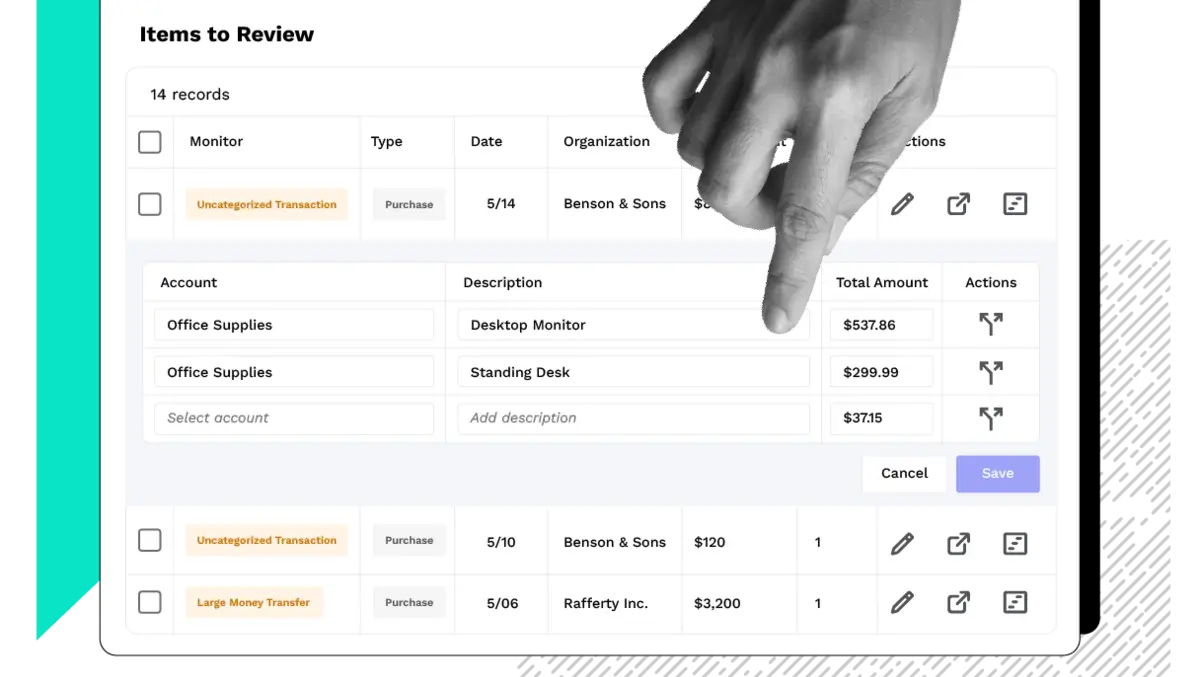
Ledger issues can be converted into trackable tasks, assigned to team members, and managed with ownership, status, and next steps. Each task links back to the source transaction, keeping review and resolution tied to the underlying record.
Canopy also describes the module as a way to standardise how teams detect and resolve common bookkeeping problems across multiple clients. That standardisation extends to reporting, with reusable report formats that can be applied across a book of business.
Month-end workflow
Canopy is framing the module around the month-end close process, saying firms can spot problems earlier and avoid a build-up of unresolved items at period end.
Workflow controls sit alongside the ledger view, allowing teams to turn identified issues into work items without leaving the practice management system. Canopy presents this as an alternative to managing close-checklists via email threads and spreadsheets.
Client communications are part of the same flow. Follow-up questions will be routed through the Canopy Client Portal, where requests can be grouped to reduce the number of messages clients receive and limit time spent chasing responses.
Hanna Bjornn, VP of Product at Canopy, said firms have asked for fewer tools and earlier visibility into bookkeeping issues.
"Firms have told us they want fewer tools, earlier visibility, and easier collaboration with their clients. By bringing bookkeeping directly into Canopy and embedding AI that continuously reviews the books, we give teams one place to work reducing manual cleanup, catching issues earlier, and giving bookkeepers confidence in the books all month long, not just at close," said Hanna Bjornn, VP of Product, Canopy.
Reporting and pricing
Canopy Bookkeeping includes report generation for client deliverables, which it says reduces the need to rebuild charts in Excel or slide decks and helps keep outputs consistent across clients and teams.
Canopy also emphasises pricing and capacity management. It plans to surface signals such as exceptions, volume shifts, and unresolved items, and links those signals to decisions about scoping work, reviewing pricing, and planning staffing.
The module is also positioned as a foundation for advisory work, with cleaner, more current books that support earlier insights into trends. Canopy points to forecasting and planning as downstream outcomes when underlying records stay up to date throughout the month.
Joe Dwyer, Canopy Product Manager, described the addition as a step toward bringing bookkeeping functions and automation into the same platform firms use for day-to-day practice operations.
"Canopy Bookkeeping brings AI-powered bookkeeping into Canopy, giving firms cleaner books, month-end close automation, and a stronger foundation for Client Advisory Services," said Dwyer.
The module is expected to launch in summer 2026, extending Canopy's all-in-one platform into bookkeeping workflow with integrations for QuickBooks Online and Xero.