

Daniel Sennheiser to chair board as Andreas remains chief executive
Tue, 28th Oct 2025
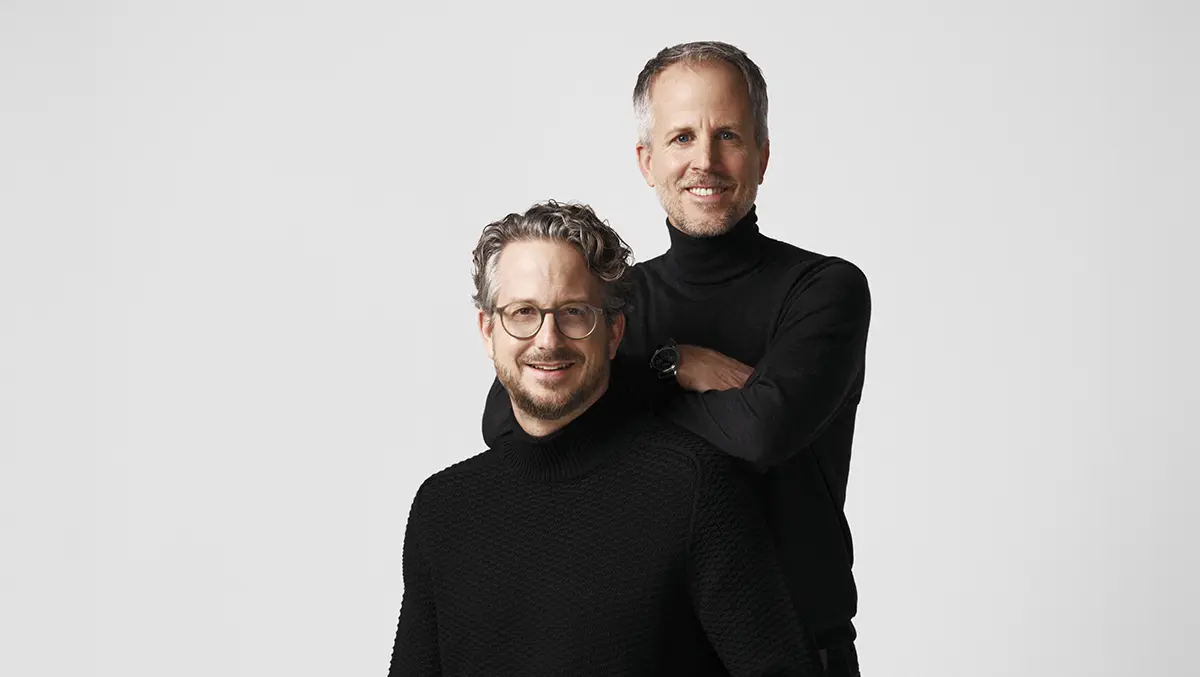
Daniel and Dr. Andreas Sennheiser will adopt new roles at Sennheiser, with Daniel becoming Chairman of the Board of Directors while Andreas continues as Chief Executive Officer.
This leadership transition will take effect from 1 January 2026, concluding more than twelve years of joint leadership as Co-CEOs by the two brothers at the family-owned audio business. Under the new arrangement, Daniel Sennheiser will focus on shaping the long-term strategic course of the company, while Dr. Andreas Sennheiser will remain at the helm of daily operations, overseeing innovation and the ongoing portfolio development across Sennheiser's brands, including Sennheiser, Neumann, AMBEO, and Merging.
Strategic direction
Daniel Sennheiser, who has shared the chief executive role since 2013, will take over the chairman position on the Board of Directors. His new position will concentrate on guiding the company's long-term direction and reinforcing key relationships across the business.
By joining the Board of Directors, I will concentrate more on the long-term development of the company and on continuously strengthening key customer relationships. I will continue to work closely with my brother Andreas in his role as CEO and with the existing Executive Management Board," says Co-CEO Daniel Sennheiser.
Dr. Andreas Sennheiser, in continuing as CEO, will oversee the company's operational and financial activities with support from the Executive Management Board. The restructured management approach is intended to draw a clear distinction between daily operations and the company's strategic vision.
This new structure enables us to combine day-to-day business with strategic foresight, which is crucial for the future success of the Sennheiser Group," adds Co-CEO Andreas Sennheiser.
Continued collaboration
The Sennheiser brothers will maintain their joint ambition of driving the company's sustainable and independent growth, emphasising collaboration within the new framework.
Our trusted relationship and complementary perspectives have enabled us to lead the company successfully as Co-CEOs for more than 10 years. This will also remain the basis for our future collaboration.
As the business approaches its 80th anniversary in 2025, the transition marks another step in the evolution of the company, which remains led by the third generation of the Sennheiser family.
I look forward to this next chapter of our family business, which has successfully evolved over three generations. Progress means shaping change positively - both for me in my new role and for Sennheiser as a company," explains Daniel Sennheiser.
Board changes
Daniel Sennheiser takes over the chairmanship from Andreas Dornbracht, who has held the position for four years and will remain on the board as a member. Dornbracht's continued involvement is seen by the company as a source of stability and ongoing expertise.
We sincerely thank Andreas Dornbracht for his dedicated and forward-looking leadership over the past years," says Daniel Sennheiser. "His strategic perspective and valuable input have been a great asset to all of us. I am delighted that he will remain on the Board and that we can continue to benefit from his experience and expertise.
The Sennheiser Group's Board of Directors will now include Daniel Sennheiser as Chairman, alongside Andreas Dornbracht, Iris Epple-Righi, Stephan Plenz, and Prof. Dr. Jörg Sennheiser, who serves as Honorary Member.
Organisational context
Sennheiser will celebrate its 80th anniversary in 2025, marking decades of operation in the audio technology sector and maintaining a reputation in professional audio solutions. The company's values and operational independence are underpinned by continued family ownership and leadership.
The group continues to develop and supply audio products under its core brands, focusing on the progression of audio technology and customer-centric solutions in the professional sector. As it advances into its next phase, the leadership transition is expected to support both immediate business demands and the firm's longer-term strategic growth objectives.