

Misalignment remains as CIOs take bigger role in AI strategy
Thu, 16th Oct 2025
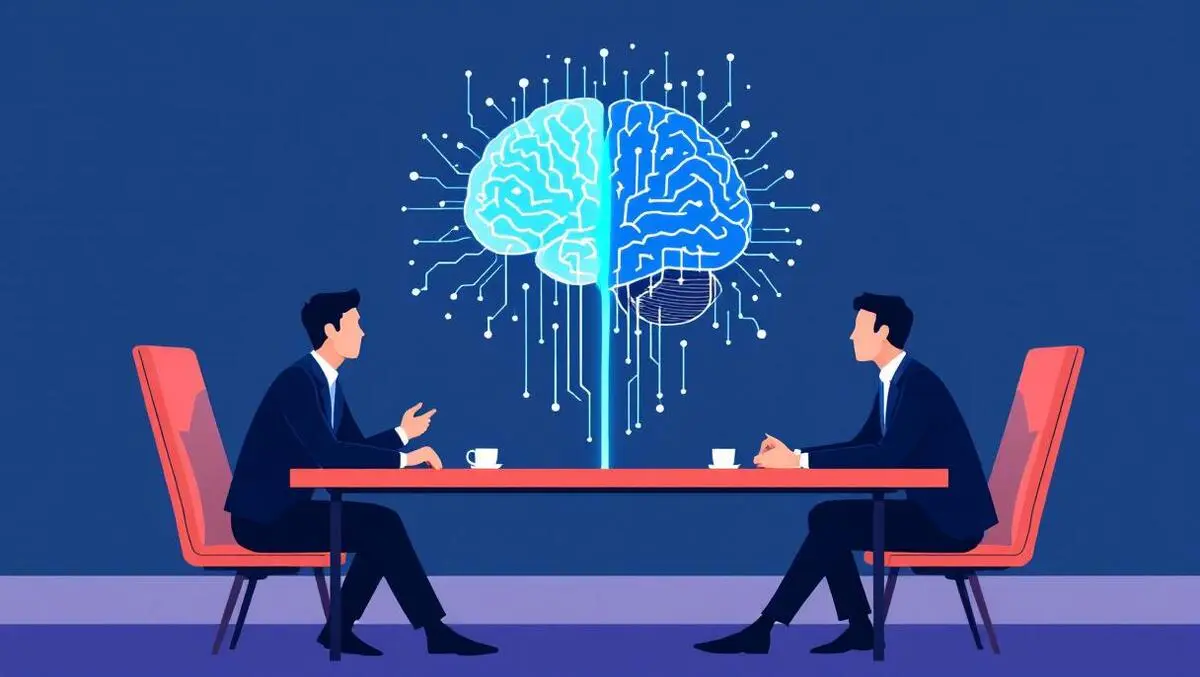
Research from Netskope indicates that alignment between Chief Executives and Chief Information Officers is proving essential for strategic decision making around artificial intelligence adoption, yet gaps between the two roles are still prominent.
The new global report, entitled Crucial Conversations: How to Achieve CIO-CEO Alignment in the Era of AI, outlines the increasingly strategic remit being assigned to CIOs as organisations pursue the value of AI. The findings highlight a significant misalignment, with 39% of CIOs reporting they are not in sync with their CEO on key decisions. Approximately 31% of CIOs admitted uncertainty about what their CEO expects of them, and over a third (34%) do not feel empowered to make long-term IT strategy decisions.
Broader responsibilities for CIOs
The role of the CIO is reported to be expanding beyond traditional IT priorities. The study found that 34% of CIOs state they are now significantly more involved in broader business strategies than in previous years. This includes leading on human capital planning, digital innovation, and maintaining operational resilience amid market volatility-domains that are increasingly interlinked with the integration of AI into business processes.
In addition, at least one in three CIOs is being asked to take charge of critical AI-driven business initiatives, suggesting an intensified focus by boards and executive teams on the operational and economic implications of new technologies.
Investment in IT infrastructure
Just over a third of CIOs are confident that their organisations are adequately investing in modern IT infrastructure. However, 41% believe further investment is necessary, while 26% say they struggle to secure buy-in from CEOs regarding modernisation or transformation strategies. This highlights a persistent challenge in aligning budget priorities with technological aspirations at a senior leadership level.
CEOs, according to the research, expect CIOs to drive innovation and AI adoption while simultaneously exerting control over both cost and risk. The emphasis is increasingly on measured progress-delivering business outcomes rather than following the hype associated with emerging technologies such as AI. CIOs are being asked to pinpoint effective use cases, generate cost savings, and embed governance and ethical frameworks from the outset of implementation.
Changing skill requirements
The research signals a shift in the skills required from CIOs. While technical knowledge remains important, 37% of CIOs now see business strategy and stakeholder management as more critical to the CIO role than technology expertise. This is particularly significant as CIOs become increasingly involved in workforce strategy, especially relating to the governance and performance of AI agents working alongside human employees.
The report notes that such involvement affects productivity, skills development, and the upholding of ethical standards across organisational structures, signifying the broader impact of AI adoption beyond pure technology considerations.
"The CIO role is evolving faster than many organisations are prepared for. CIOs are expanding their remit to own operations and business functions in a way that was not the case even a few years ago. Yet many don't feel fully aligned with their CEOs or empowered to make long-term decisions. "What's clear is that technical expertise is no longer enough for CIOs. They need to navigate complex stakeholder relationships, communicate in the language of business outcomes, and act as a nuanced strategic partner at the top of the organisation. "We undertook this research not simply to identify the problems, but to provide a genuine resource to help make the interactions between CIOs and their CEO more effective and productive. Including recommendations from experienced and successful CIOs and business leaders, we hope it will help CIOs navigate the conversations that are becoming evermore crucial in the era of AI."
The report, based on interviews with global CEOs and quantitative research involving more than 200 CIOs in the US and UK, was further validated by insights from senior business, technology, and operational leaders. It identifies six principal areas of discussion-cost, risk, innovation, people, measurement, and IT estate-that can foster better strategic alignments between CEOs and CIOs.