

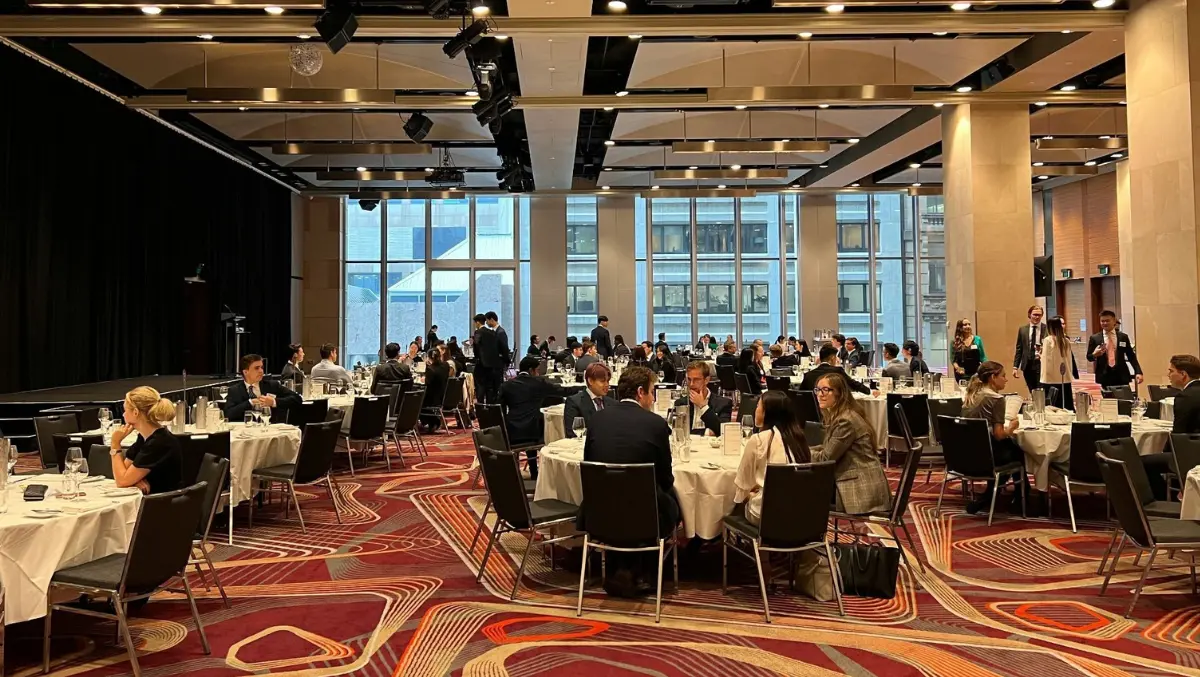

A successful conference rarely comes down to one standout moment. It's usually the result of many smaller decisions coming together in a way that feels consistent from start to finish. Attendees might remember a great speaker or a valuable connection, but what supports those moments is the structure behind the event.
For businesses, conferences carry more weight than just filling a schedule. They reflect how an organisation operates, how it communicates, and how it brings people together. When the planning and execution align, the event feels organised without being rigid. When they don't, even strong content can struggle to land or feel disconnected from the overall experience.
Clarity at the Planning Stage
Every conference starts with an objective, even if it isn't always clearly defined. Whether the goal is networking, knowledge sharing, or brand positioning, that purpose shapes every decision that follows.
Without that clarity, planning can become reactive. Choices around venue, format, and speakers may not fully align, which can lead to a disjointed experience. You might end up with strong individual elements that don't quite connect once the event begins.
When the purpose is clear, it becomes easier to filter decisions. It influences the tone of the event, the type of speakers invited, and even how the schedule is structured. That early alignment often determines how cohesive the conference feels later on, especially when multiple teams or stakeholders are involved.
Building a Structure That Holds Together
A conference isn't just a collection of sessions placed into a timetable. It's a sequence that needs to flow naturally across the day or over multiple days. Timing, transitions, and pacing all contribute to how attendees experience the event.
Sessions that run too long can cause delays that ripple through the rest of the schedule. On the other hand, sessions that feel rushed may not deliver enough value. Finding the right balance requires an understanding of how people engage with content over time.
Breaks also play a role. They're not just gaps in the schedule, but opportunities for networking, reflection, and movement. When they're planned well, they support the overall flow. When they're overlooked, the event can feel either too compressed or too scattered.
Managing People and Expectations
Behind every conference is a network of people with different roles and expectations. Speakers need clear guidance on timing and content. Sponsors expect visibility and value. Attendees want an experience that feels worth their time.
Keeping all of these groups aligned requires more than initial communication. It involves ongoing coordination leading up to the event. Details need to be confirmed, expectations need to be reinforced, and any changes need to be communicated clearly.
When this process is handled well, the event runs with fewer disruptions. When it isn't, small misunderstandings can build into larger issues that affect the overall experience.
Execution That Feels Effortless
Once the conference begins, the focus shifts from planning to execution. This is where all the preparation is tested in real time. The goal isn't perfection, but consistency.
From the moment attendees arrive, every interaction contributes to how the event is perceived. Registration needs to be smooth. Directions need to be clear. Sessions need to start and end as expected.
These details might seem minor on their own, but together they shape the overall experience. When everything works as expected, attendees can focus on the content rather than the logistics. That's usually the sign of a well-executed event.
Responding to the Unexpected
Even the most carefully planned conference will face unexpected challenges. A speaker might run over time, technical issues can arise, or attendance patterns may shift during the day.
The difference lies in how these situations are handled. Quick decisions, clear communication, and the ability to adjust without drawing attention to the issue all play a role in keeping the event on track.
Attendees don't expect everything to go perfectly, but they do notice how disruptions are managed. A calm and coordinated response helps maintain confidence in the event as a whole.
The Role of Experience in Coordination
Bringing all of these elements together requires an understanding of how conferences function beyond the surface level. It's not just about managing tasks, but about anticipating how different parts of the event will interact.
That includes recognising where delays are likely to occur, how people move through a venue, and what tends to cause friction during busy periods. These are details that often come from experience rather than theory.
For many organisations, working with Conference Organisers in Melbourne becomes part of maintaining that level of coordination. It allows the internal team to focus on the purpose of the event while ensuring the structure and delivery are handled in a way that supports it.
Consistency From Start to Finish
A successful conference feels consistent across every stage. The planning supports the execution, and the execution reflects the original intent. Attendees don't experience it as separate phases, but as a single, cohesive event.
That consistency is built through attention to detail and clear communication. It also comes from understanding that each part of the event, no matter how small, contributes to the overall outcome.
When those elements are aligned, the conference creates an environment where people can focus on ideas, conversations, and opportunities. The logistics fade into the background, which is often the clearest sign that everything is working as it should.