Health and Safety stories
Returning to the office post-pandemic? Here are three key considerations for managing the new hybrid workforce.
Skills shortages, cost pressures and red tape are leaving New Zealand contractors wary as vital infrastructure projects come under strain.
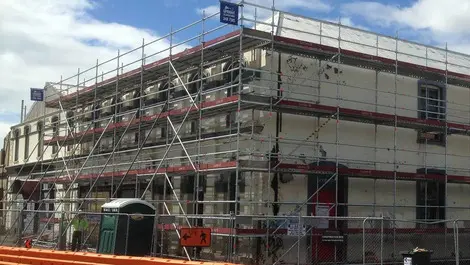
WorkSafe says directors remain liable after insolvency, as a painter’s death in Bucklands Beach exposed failures to use edge protection.
Worker buy-in is often the missing link, with listening helping managers improve reporting, engagement and hazard detection.
A Kaikoura fencing sole trader has been ordered to pay NZD $22,500 after a teenage worker lost sight in one eye.
The pilot of the computer vision system helps solve a key business issue for EnviroNZ at its resource recovery centre identifying health and safety risks.
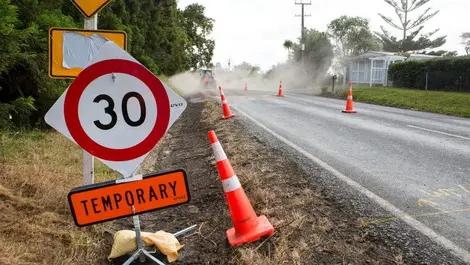
Road contractors face new duties as New Zealand shifts temporary traffic management from compliance rules to risk-based controls.
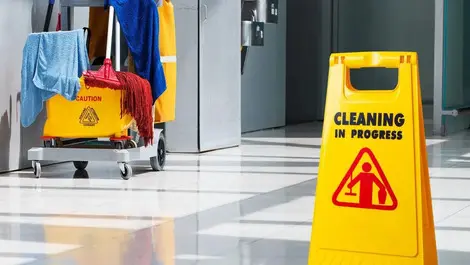
Businesses must account for after-hours contractors, after a Taranaki cleaner died trapped in machinery and two firms were fined GBP £340,000.
Low-rated premises can stay open while owners plan and fund seismic repairs, as MBIE says closure is not required solely on NBS scores.
Safety-sensitive workplaces risk staff impairment as fentanyl use spreads, with TDDA urging firms to update testing and drug policies.
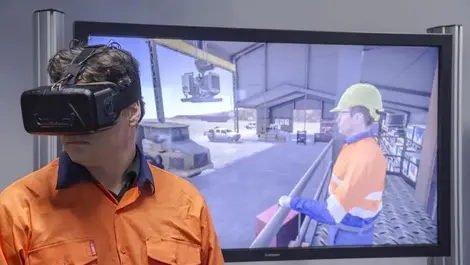
Falls from ladders and roofs are costing New Zealand about $24 million a year, prompting a first-of-its-kind VR training package.
Workers remain at risk because paperwork is crowding out the risk checks, controls and enforcement that prevent accidents, Jason Braithwaite says.
A judge has called the site a fatal gas chamber after a worker died from hydrogen sulphide exposure, and the firm was fined and ordered to pay reparations.
Infrastructure firms face growing pressure to prove climate and social value as stimulus spending, disclosures and stakeholder scrutiny intensify.
Retention hinges on better support, recognition and safer workloads as a McKinsey report warns more nurses are considering leaving direct patient care.
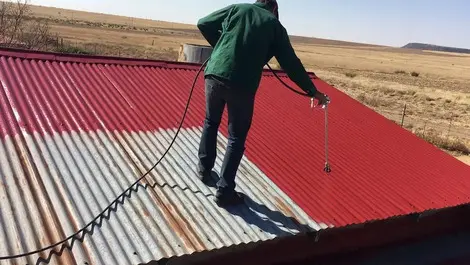
Contractors risk prosecution and hefty fines if high-pressure water blasting disturbs asbestos on roofs or cladding in New Zealand.
Rework is eroding productivity in New Zealand construction, with firms losing 16% of project time to fixing defects, a Procore report says.
A south Auckland egg processor has been fined for safety failings after a worker lost a thumb while cleaning a conveyor in 2020.
WorkSafe has accepted reparations and safety commitments instead of charges, after failures in temporary traffic management led to a cyclist's death.
Additional funding will help Te Pūkenga support almost 50,000 trainees and apprentices as demand for vocational skills rises across New Zealand.