Health and Safety stories
Time of day makes little difference to students’ memory-test performance, suggesting afternoon slumps may reflect task fatigue rather than waning self-control.
Daylight saving is a reminder that tired workers are 30 per cent more likely to have accidents, WorkSafe says.
Fleet managers are being urged to tackle drowsy driving, with fatigue linked to 43 fatal crashes and 45 deaths in New Zealand in 2015.
Small Kiwi businesses can now spot workplace hazards in bakeries and collision repair workshops more easily through WorkSafe’s tool.
Work-related illness and injury are stripping 3.9 per cent from global GDP each year, as poor safety measures carry a heavy economic toll.
Small businesses risk fines and claims because frequent workplace law changes leave many owners unclear on their obligations, experts say.
Online insomnia therapy cut depression, anxiety and psychotic-like symptoms in a 3,755-person trial, with sleep gains driving much of the benefit.
Nearly 1,000 workers in Manukau precast concrete plants now have better protection from airborne hazards after a WorkSafe New Zealand drive uncovered gaps.
Construction firms and safety professionals will gather in Auckland on 8 November as Site Safe honours award winners and new graduates.
Safer practices and a health and safety app have cut hazards on Stuart Taylor’s Rangitikei dairy farm, where unsafe work now stops.
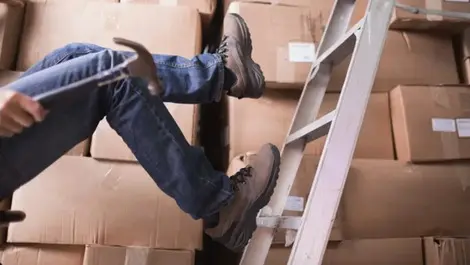
A New Zealand fire alarm contractor has been fined GBP £60,000 after a worker was left tetraplegic in a fall from scaffolding.
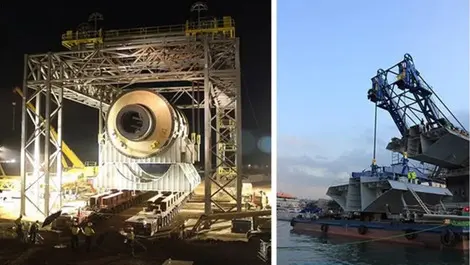
Computerised controls are making strand-jack lifts safer and more economical for bridges, mines and rigs handling loads of up to 1,400 tons.
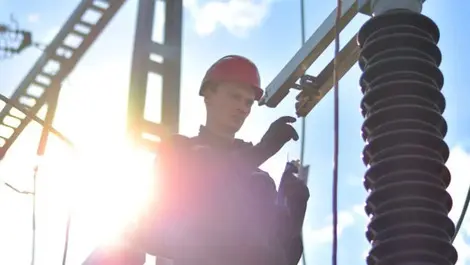
Occupational safety teams can now check three field types with one pocket-sized device, cutting the kit needed for EMF inspections.
WorkSafe will replace old exemptions with tighter hazardous-substance duties, forcing some labs to keep inventories, train staff and plan for emergencies.
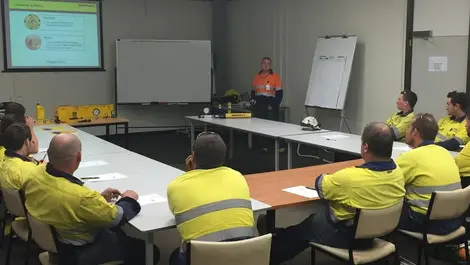
Site operators could cut accidents and downtime as Enerpac takes its Goal Zero safety training directly to workplaces across Australia, New Zealand and PNG.
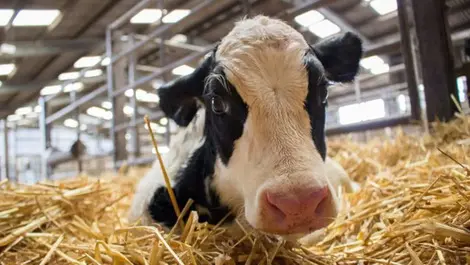
Farmers face higher injury and illness risks during calving unless teams plan ahead for fatigue, hygiene and safe cattle handling.
Audio training has been added to help company drivers understand road rules, after OECD data showed many New Zealand adults struggle with literacy.
Businesses ignoring known hazards face tougher penalties after WorkSafe New Zealand said identifying risks is not enough to keep workers safe.
Strong productivity gains lifted KiwiRail to a $52 million underlying surplus despite a $40 million hit from the Kaikoura earthquake.
WorkSafe New Zealand has warned forestry firms to tighten controls after two deaths and a serious injury in a week.