


The Reserve Bank of Australia has raised the official cash rate by 25 basis points to 4.85%, taking the policy rate to its highest level in 18 years.
The Monetary Policy Board voted 6-3 in favour of the increase. Dissenting members preferred to leave rates unchanged while seeking more evidence on growth, unemployment and wages. The decision followed a run of official commentary that inflation remained too high and came after quarterly trimmed mean inflation was reported at 1%.
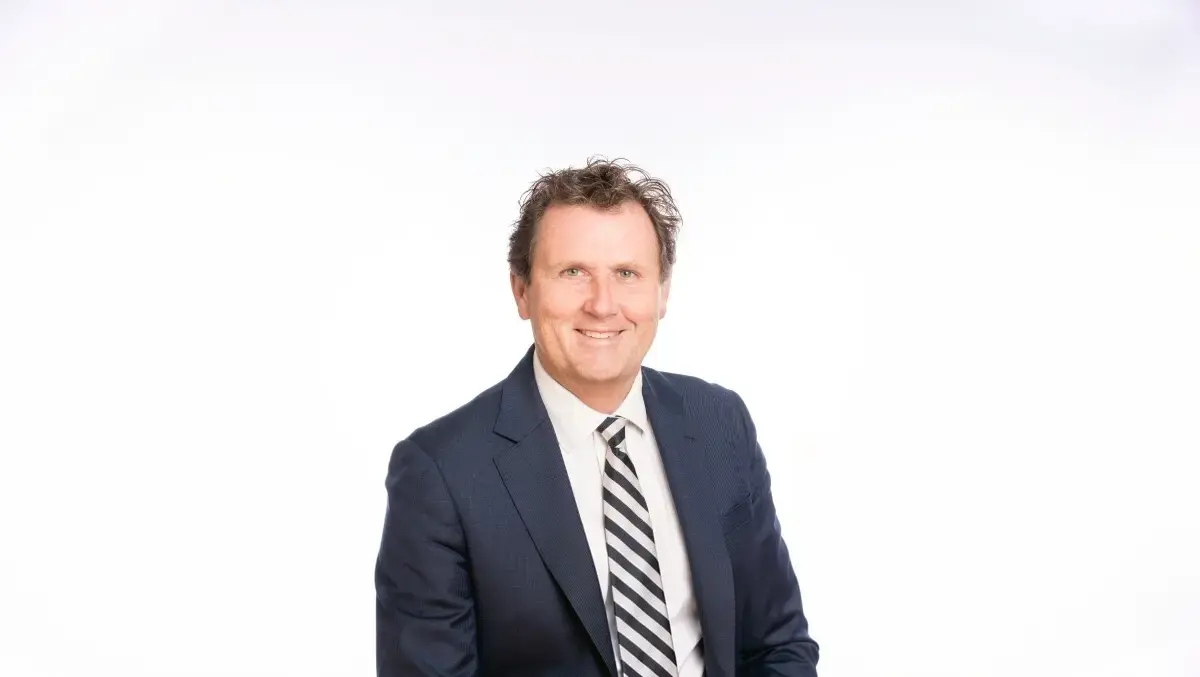
Ivan Colhoun, Chief Economist at CreditorWatch, said the increase reflected the central bank's concern that inflation will take longer to return to target than previously expected. The latest forecasts show core inflation returning to target in the first half of 2028, six months later than previously forecast.
That revision points to a prolonged period of restrictive monetary policy and suggests the central bank expects inflation pressures to persist even as growth slows and unemployment edges higher.
Colhoun said domestic capacity pressures remained the main driver of the bank's tightening this year, while oil prices and AI-related price rises were also contributing to inflation risks. He added that the outlook left open the possibility of further tightening, even though he expects a pause over the next few months.
"The rise will be a further challenge to many businesses and consumers, but so too is continuing elevated rates of inflation. The RBA has no easy choices at the current time," Colhoun said.
Growth outlook
The updated forecasts point to weaker activity over the next two years. Growth for 2027 has been revised down to 1.3% from 1.6%, indicating the bank expects slower demand to help bring inflation back within target.
Unemployment is also expected to rise gradually, with forecasts reaching 5% and 5.1% in 2028. Colhoun said the pace and nature of that increase would matter, particularly whether it reflected stronger labour force participation or more people losing work.
He also questioned the strength of the case for sustained excess demand across the economy. In his view, some of the inflation pressure in market services reflected wage decisions rather than broad-based overheating.
The central bank's own business liaison pointed to mixed conditions, citing strong cost pressures and firms' intentions to raise prices, while also noting average employment intentions, a recent pick-up in wages growth and diverging sector performance.
Business investment has remained firm, partly because of spending linked to artificial intelligence, while housing construction and discretionary consumer spending are expected to weaken next year. That leaves policymakers weighing persistent inflation against signs of softer activity.
Pause expected
Despite the latest increase, Colhoun said he expects the cash rate to remain unchanged for several months as the bank assesses the effect of cumulative tightening. He said the pause could last until February or longer.
"That delay suggests the RBA may have further work to do, though I am not expecting that in the next few months," Colhoun said.
He said the language around the decision suggested the immediate bias towards further action may be less explicit than in earlier months, even if the risk has not disappeared. In his view, back-to-back increases and five rate rises in 2026 argue for a period of waiting while the economy absorbs higher borrowing costs.
Households and businesses now face that adjustment with mortgage and financing costs already elevated. Falling house prices, rising unemployment and slowing discretionary spending were among the factors cited by board members who argued for no change.
At the same time, inflation remains above target, and the forecasts show it staying there through 2027. Colhoun said that left little basis for expecting early interest rate cuts.
"My expectation is that after tightening back-to-back and now by a total of five times over 2026, the RBA will now leave cash rates unchanged for some months, at least until February and possibly longer, while it assesses the impact of this considerable tightening on the economy," Colhoun said.